Creating a budget doesn’t have to be complicated.
Many people avoid budgeting because they think it requires detailed spreadsheets, complicated calculations, or tracking every single purchase.
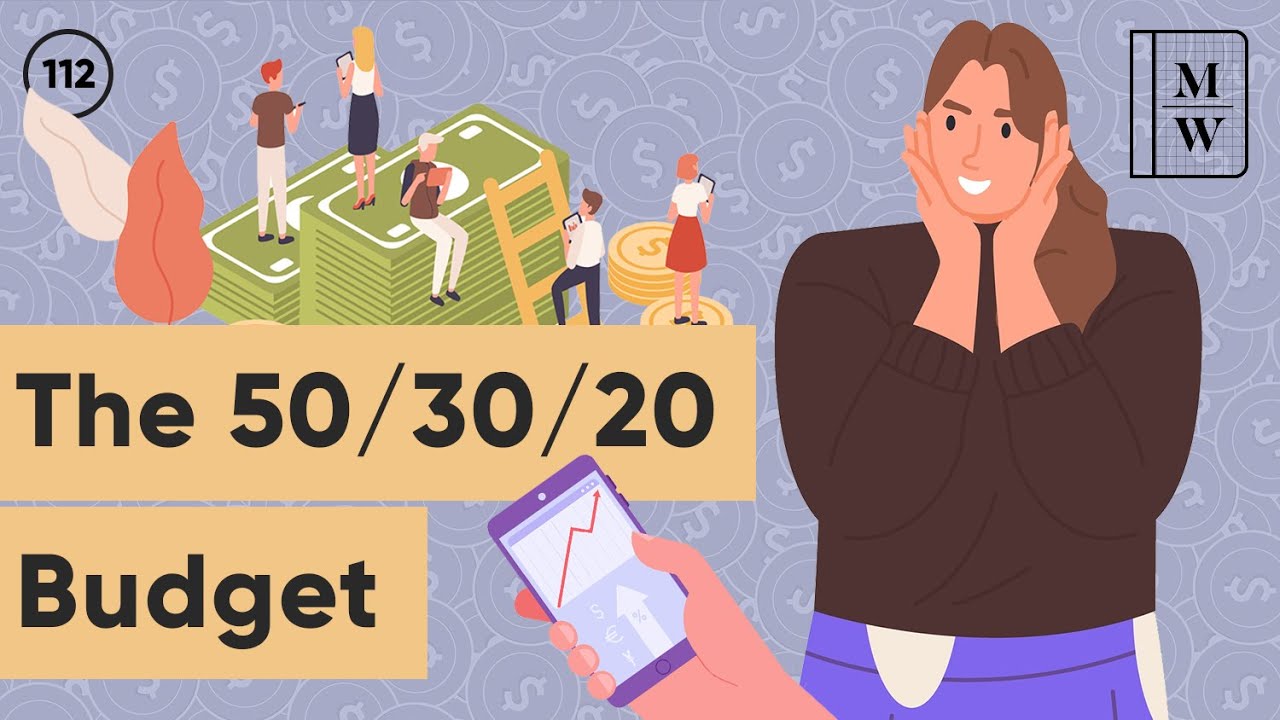
In reality, one of the easiest ways to manage your money is by following the 50/30/20 budgeting rule.
This budgeting method provides a simple framework for dividing your income into three main categories: essential expenses, personal wants, and savings or debt repayment.
Instead of worrying about dozens of spending categories, you focus on maintaining a healthy balance between your needs, lifestyle, and financial future.
The 50/30/20 rule is especially popular among beginners because it’s easy to understand, flexible enough for different income levels, and encourages consistent saving without making budgeting feel restrictive.
In this guide, you’ll learn how the 50/30/20 rule works, when to use it, and How to apply it with practical examples.
What Is the 50/30/20 Budget Rule?
The 50/30/20 rule is a budgeting method that divides your after-tax income into three percentages.
| Category | Percentage | Purpose |
|---|---|---|
| Needs | 50% | Essential living expenses. |
| Wants | 30% | Lifestyle and discretionary spending. |
| Savings and Debt Repayment | 20% | Building wealth and improving financial security. |
Rather than tracking dozens of spending categories, this rule helps you focus on maintaining a balanced financial plan.
It serves as a guideline rather than a strict rule, meaning you can adjust the percentages based on your personal circumstances if necessary.
Understanding the “50%” for Needs
The largest portion of your budget is reserved for necessities.
Needs are expenses required to maintain your basic standard of living.
Examples include:
- Rent or mortgage payments.
- Utility bills.
- Groceries.
- Health insurance.
- Transportation for work.
- Minimum loan payments.
- Essential household expenses.
- Basic internet or phone services required for work or communication.
If an expense is necessary for daily living or earning an income, it generally belongs in this category.
Understanding the “30%” for Wants
Wants are expenses that improve your lifestyle but aren’t essential for survival.
These expenses are enjoyable but could usually be reduced or delayed if necessary.
Examples include:
- Dining at restaurants.
- Entertainment subscriptions.
- Movie tickets.
- Vacations.
- Shopping for non-essential items.
- Hobbies.
- Gym memberships.
- Streaming services.
Spending on wants isn’t necessarily bad.
The purpose of this category is to enjoy your money responsibly while keeping discretionary spending under control.
Understanding the “20%” for Savings and Debt Repayment
The final portion of your budget focuses on improving your long-term financial health.
This category may include:
- Emergency fund contributions.
- Retirement savings.
- Investment accounts.
- Additional debt repayments beyond the required minimum.
- Long-term savings goals.
- Education savings.
Many people overlook this category, but consistently setting aside money for the future is one of the main reasons the 50/30/20 rule has become so popular.
Example of the 50/30/20 Budget Rule
Suppose your monthly after-tax income is $4,000.
Your budget would look like this:
| Budget Category | Percentage | Monthly Amount |
|---|---|---|
| Needs | 50% | $2,000 |
| Wants | 30% | $1,200 |
| Savings and Debt Repayment | 20% | $800 |
Within the $2,000 allocated for needs, you might pay rent, groceries, transportation, insurance, and utility bills.
The $1,200 for wants could cover dining out, entertainment, hobbies, shopping, and travel savings.
The remaining $800 could be directed toward your emergency fund, retirement account, investments, or extra loan payments.
This example demonstrates how the rule creates a balanced approach to spending while ensuring that saving remains a priority.
Why the 50/30/20 Rule Is Popular
The biggest advantage of this budgeting method is its simplicity.
Instead of tracking dozens of categories, you only need to focus on three broad areas.
This approach helps many beginners:
- Understand where their money goes.
- Build consistent saving habits.
- Reduce unnecessary spending.
- Maintain a healthier balance between spending and saving.
- Make budgeting less overwhelming.
Because it’s easy to follow, many people find it easier to stick with this method over the long term than more detailed budgeting systems.
How to Create Your Own 50/30/20 Budget
One of the biggest advantages of the 50/30/20 rule is that it doesn’t require advanced financial knowledge.
You can build your budget in a few simple steps.
Calculate Your After-Tax Income
Begin with the amount of money you actually receive after taxes and other mandatory deductions.
If your income changes from month to month, calculate your average monthly after-tax income over several months to create a realistic budget.
List Your Essential Expenses
Write down every expense that you must pay each month.
Typical necessities include:
- Housing costs.
- Utility bills.
- Groceries.
- Transportation.
- Insurance.
- Minimum debt payments.
- Essential childcare expenses.
Add these together and compare the total with the recommended 50% allocation.
Identify Your Wants
Next, separate your discretionary spending from your essential expenses.
Common examples include:
- Coffee shop visits.
- Streaming subscriptions.
- Dining out.
- Entertainment.
- Shopping.
- Weekend trips.
- Premium memberships.
This step often helps people discover where unnecessary spending occurs.
Prioritize Savings and Debt Repayment
Finally, determine how much money you can consistently direct toward your financial future.
This portion of your budget can support:
- Emergency savings.
- Retirement contributions.
- Long-term investments.
- Paying extra toward high-interest debt.
- Saving for major future goals.
Treating savings like a monthly bill can make it easier to stay consistent.
Benefits of the 50/30/20 Budget Rule
This budgeting method has become popular because it’s both practical and flexible.
Some of its main advantages include:
- Easy for beginners to understand.
- Doesn’t require tracking every individual purchase.
- Encourages regular saving.
- Promotes healthier spending habits.
- Creates balance between enjoying today and preparing for tomorrow.
- Can be adjusted as your financial situation changes.
Many people continue using this budgeting approach for years because of its simplicity.
Situations Where You May Need to Adjust the Rule
The 50/30/20 rule is a guideline rather than a strict formula.
Depending on your circumstances, you may need to adjust the percentages.
For example:
Someone living in an expensive city may spend more than 50% on housing and essential expenses.
A person aggressively paying off debt may choose to reduce spending on wants and increase the amount allocated toward debt repayment.
Someone saving for a home may temporarily direct more money toward savings while reducing discretionary spending.
The goal is to create a budget that reflects your personal financial reality while maintaining healthy financial habits.
Example for Different Income Levels
The percentages remain the same regardless of income, but the actual dollar amounts change.
| Monthly After-Tax Income | Needs (50%) | Wants (30%) | Savings & Debt (20%) |
|---|---|---|---|
| $2,500 | $1,250 | $750 | $500 |
| $4,000 | $2,000 | $1,200 | $800 |
| $6,000 | $3,000 | $1,800 | $1,200 |
| $8,000 | $4,000 | $2,400 | $1,600 |
This example shows that the budgeting method scales naturally as your income increases.
Common Challenges When Following the Rule
Although the 50/30/20 budget is simple, some people face challenges when applying it.
Common obstacles include:
- High housing costs.
- Irregular income.
- Large existing debt payments.
- Unexpected medical expenses.
- Family responsibilities.
- Rising living costs due to inflation.
If your percentages don’t match the rule perfectly, don’t be discouraged.
The objective is to move gradually toward a healthier financial balance rather than achieving perfect percentages immediately.
Tips for Making the 50/30/20 Rule Work
These practical habits can make budgeting easier:
- Review your budget every month.
- Track large expenses even if you don’t record every purchase.
- Increase savings whenever your income rises.
- Reduce unnecessary subscriptions.
- Avoid lifestyle inflation after salary increases.
- Build an emergency fund before increasing discretionary spending.
- Adjust your budget whenever major life changes occur.
Budgeting is most effective when it becomes a regular habit instead of a one-time exercise.
Common Mistakes When Using the 50/30/20 Rule
The 50/30/20 rule is simple, but beginners sometimes make mistakes that reduce its effectiveness.
Understanding these common errors can help you build a budget that is both realistic and sustainable.
Some of the most common mistakes include:
- Treating wants as needs.
- Forgetting to budget for irregular expenses such as annual insurance premiums or holiday spending.
- Ignoring small daily purchases that add up over time.
- Not reviewing the budget regularly.
- Saving only what is left at the end of the month instead of prioritizing savings first.
- Trying to follow the percentages exactly even when personal circumstances require adjustments.
- Giving up after exceeding the budget for one month.
Remember that a budget is meant to guide your financial decisions, not punish you for occasional mistakes.
Alternatives to the 50/30/20 Budget Rule
Although the 50/30/20 rule works well for many people, it isn’t the only budgeting method available.
Here are a few other popular approaches.
| Budgeting Method | Best For | How It Works |
|---|---|---|
| 50/30/20 Rule | Beginners | Divides income into needs, wants, and savings. |
| Zero-Based Budget | People who want detailed control | Every dollar is assigned a specific purpose until income minus expenses equals zero. |
| Pay Yourself First | People focused on saving | Savings are set aside before paying for other expenses. |
| Envelope Budget | Cash spenders | Money for each spending category is placed into separate envelopes or spending limits. |
The best budgeting system is the one you can follow consistently over time.
How to Know If the 50/30/20 Rule Is Working
A successful budget isn’t measured by perfection.
It’s measured by progress.
Signs that your budget is helping include:
- Your bills are paid on time.
- Your savings continue to grow.
- You rely less on credit cards for everyday expenses.
- You feel less stressed about money.
- You’re making progress toward financial goals.
- You understand where your income goes each month.
If you notice these improvements, your budgeting strategy is likely moving in the right direction.
Frequently Asked Questions
Does the 50/30/20 rule work for everyone?
Not necessarily.
It’s a helpful guideline, especially for beginners, but people with high living costs, irregular income, or significant debt may need to adjust the percentages to fit their circumstances.
Should I calculate the percentages before or after taxes?
The 50/30/20 rule is generally based on your after-tax income because that reflects the money you actually have available to spend and save.
What if my essential expenses are more than 50%?
This is common in areas with high housing or transportation costs.
Review your budget to identify any expenses that can be reduced, and gradually work toward a healthier balance rather than trying to change everything at once.
Can extra debt payments count toward the 20%?
Yes.
Many people include additional payments toward high-interest debt in the savings and debt repayment category because reducing debt improves long-term financial health.
Should I stop saving while paying off debt?
It depends on your financial situation.
Building at least a basic emergency fund while making debt payments can help you avoid taking on additional debt when unexpected expenses arise.
How often should I update my budget?
Reviewing your budget once a month is a good habit.
You should also update it whenever your income, expenses, or financial goals change significantly.
Conclusion
The 50/30/20 budget rule is one of the easiest and most practical ways to take control of your money.
By dividing your after-tax income into needs, wants, and savings or debt repayment, it creates a balanced approach that supports both your current lifestyle and your future financial goals.
While the percentages may need to be adjusted based on your personal circumstances, the core idea remains the same: cover your essential expenses, enjoy your money responsibly, and consistently invest in your financial future.
Budgeting isn’t about restricting your life—it’s about giving your money a clear purpose.
Whether you’re just starting your financial journey or looking for a simpler way to manage your income, the 50/30/20 rule provides a flexible framework that can help you build healthier financial habits, reduce stress, and achieve long-term financial stability.