Living on a low income can make budgeting feel nearly impossible.
When every paycheck is already stretched between rent, groceries, transportation, utilities, and other essential expenses, it may seem like there is no room left to save or plan for the future.
However, budgeting becomes even more important when money is limited.
A good budget is not about restricting your life or eliminating everything you enjoy.
Instead, it is a practical plan that helps you decide where every dollar should go before you spend it.
When you have a clear budget, you gain more control over your finances, reduce unnecessary spending, and prepare for unexpected expenses.
Many people believe that budgeting only works for those with high incomes.
The truth is that people with modest incomes often benefit the most from having a realistic monthly budget.
Even small financial improvements, repeated consistently over time, can make a significant difference.
This guide explains how to create a monthly budget that actually works on a low income using simple strategies that are easy to follow and maintain.
Why Budgeting Matters on a Low Income
When your income is limited, every financial decision carries more weight.
A well-planned budget helps ensure that your essential needs are covered before money is spent on non-essential purchases.
Budgeting can help you:
- Pay bills on time.
- Reduce financial stress.
- Avoid unnecessary debt.
- Build an emergency fund.
- Reach financial goals more consistently.
- Gain confidence in managing your money.
Rather than wondering where your money disappeared each month, you’ll know exactly how every dollar was used.
Understand Your Monthly Income
The first step in building a successful budget is knowing exactly how much money you have available.
If you receive a fixed salary, calculating your monthly income is straightforward.
If your income changes from month to month because of freelance work, hourly wages, commissions, or seasonal employment, use the average amount you earned over the past several months.
Only include income that you can reasonably expect to receive.
Avoid budgeting based on bonuses, overtime, or irregular earnings unless they are guaranteed.
Knowing your true monthly income provides a realistic foundation for every budgeting decision.
Track Every Expense
Many people underestimate how much they spend because small purchases often go unnoticed.
For one month, record every expense, including:
- Rent or mortgage.
- Utility bills.
- Groceries.
- Transportation.
- Insurance.
- Loan payments.
- Phone and internet bills.
- Entertainment.
- Dining out.
- Coffee and snacks.
- Online subscriptions.
- Miscellaneous purchases.
You can use a notebook, spreadsheet, budgeting app, or even your bank statements.
Tracking your spending often reveals patterns that were previously invisible.
For example, spending a Small Amount on takeout several times each week may seem harmless, but over a month it can become a significant expense.
Separate Needs from Wants
One of the most important budgeting skills is learning the difference between needs and wants.
Needs are expenses that are essential for daily living.
Examples include:
- Housing.
- Utilities.
- Basic groceries.
- Transportation to work.
- Healthcare.
- Insurance.
- Essential clothing.
Wants improve your lifestyle but are not necessary for survival.
Examples include:
- Streaming services.
- Restaurant meals.
- Premium coffee.
- Expensive electronics.
- Luxury clothing.
- Subscription boxes.
- Frequent online shopping.
Understanding this difference helps you make better financial decisions when money is limited.
Give Every Dollar a Purpose
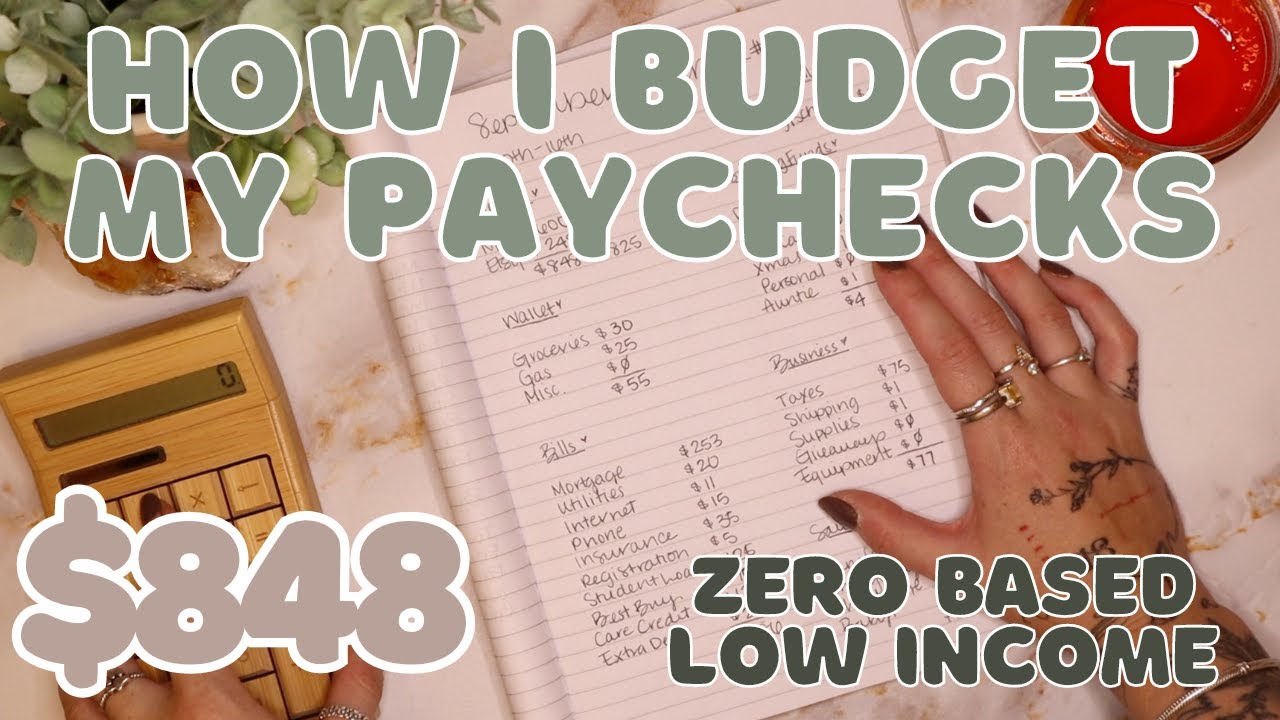
One of the most effective budgeting methods is assigning every dollar a specific job.
Instead of asking where your money went at the end of the month, decide where it will go before the month begins.
Your income should be allocated toward categories such as:
- Housing.
- Utilities.
- Food.
- Transportation.
- Savings.
- Debt payments.
- Healthcare.
- Personal spending.
When every dollar has a purpose, you’re less likely to spend impulsively because unplanned purchases immediately affect another part of your budget.
Build a Budget Around Your Priorities
A successful budget reflects your personal goals rather than someone else’s lifestyle.
Ask yourself:
- Which expenses are absolutely necessary?
- Which purchases add little value?
- What financial goal matters most right now?
- Which habits are preventing me from saving?
Your answers help shape a budget that fits your unique situation instead of following unrealistic rules.
Create a Small Emergency Fund
Many people believe they need thousands of dollars before starting an emergency fund.
In reality, even a small emergency fund can prevent financial setbacks.
Start by saving a manageable amount from each paycheck.
Over time, your goal should be to build enough savings to cover several months of essential living expenses.
Having emergency savings can reduce the need to rely on credit cards or loans when unexpected expenses arise.
Reduce Expenses Without Feeling Deprived
Budgeting should improve your financial life, not make you miserable.
Instead of eliminating everything you enjoy, look for practical ways to reduce spending.
Ideas include:
- Planning meals before grocery shopping.
- Buying generic brands when quality is similar.
- Cooking more meals at home.
- Canceling subscriptions you rarely use.
- Comparing insurance or phone plans.
- Using public transportation when practical.
- Waiting twenty-four hours before making non-essential purchases.
Small adjustments often create meaningful savings without significantly affecting your quality of life.
Plan for Irregular Expenses
Some expenses don’t occur every month, but they should still be included in your budget.
Examples include:
- Car maintenance.
- Annual insurance premiums.
- Holiday gifts.
- School supplies.
- Medical expenses.
- Home repairs.
- Birthdays and special occasions.
Rather than being surprised when these costs appear, estimate how much you’ll need for the year and divide that amount by twelve.
Set aside a small portion each month so the expense is easier to manage when it arrives.
Use Cash for Spending Categories That Are Hard to Control
If you frequently overspend in certain areas, consider using cash instead of a debit or credit card.
Many people find it easier to stay within their budget when they physically see money leaving their wallet.
This approach can be especially helpful for categories such as:
- Dining out.
- Entertainment.
- Personal shopping.
- Weekend activities.
Once the cash is gone, you simply wait until the next budgeting period before spending more in that category.
Review Your Budget Every Month
Your budget should change as your financial situation changes.
Income may increase or decrease.
Bills can change.
New financial goals may become more important.
Set aside a few minutes at the end of each month to review your budget.
Ask yourself:
- Did I stay within my spending limits?
- Which categories were higher than expected?
- Where did I save money?
- What changes should I make next month?
Regular reviews help your budget improve over time instead of becoming outdated.
Find Ways to Increase Your Income
While reducing expenses is important, increasing your income can make budgeting easier.
Depending on your skills and available time, you might consider:
- Freelance work.
- Selling unused household items.
- Tutoring.
- Pet sitting.
- Food delivery.
- Part-time work.
- Online services.
- Seasonal employment.
Even a modest increase in monthly income can accelerate savings, reduce debt, or provide greater financial flexibility.
Avoid Comparing Your Lifestyle to Others
One of the biggest challenges to successful budgeting is comparing yourself with people whose financial situations may be completely different.
Social media often highlights vacations, luxury purchases, and expensive lifestyles while hiding debt and financial struggles.
Focus on your own goals rather than trying to match someone else’s spending habits.
Financial success is measured by stability and progress—not appearances.
Common Budgeting Mistakes
Many budgets fail because they are unrealistic from the beginning.
Avoid these common mistakes:
- Forgetting irregular expenses.
- Setting savings goals that are impossible to maintain.
- Not tracking daily spending.
- Ignoring small purchases.
- Giving up after one mistake.
- Depending on credit cards to cover monthly expenses.
- Never reviewing the budget after creating it.
Remember that a budget is meant to guide your decisions, not punish you.
If something doesn’t work, adjust it and continue moving forward.
Tips to Stick to Your Budget
Creating a budget is only the first step.
Following it consistently is what leads to better financial outcomes.
These habits can help:
- Check your spending regularly.
- Save automatically whenever possible.
- Avoid impulse purchases by waiting before buying.
- Celebrate small financial milestones.
- Keep your financial goals visible.
- Focus on long-term progress instead of short-term perfection.
Consistency is more important than perfection.
Frequently Asked Questions
How do I budget when my income changes every month?
Use your average monthly income from the past several months or base your budget on your lowest expected monthly income.
This creates a safer financial plan and reduces the risk of overspending.
What is the easiest budgeting method for beginners?
Giving every dollar a purpose before the month begins is one of the simplest and most effective budgeting methods.
It helps ensure that your income is fully planned and reduces unnecessary spending.
How much should I save each month on a low income?
There is no universal amount.
Save whatever you can consistently, even if it’s a small percentage of your income.
Building the habit of saving regularly is more important than the initial amount.
Should I pay off debt or build an emergency fund first?
In many situations, it’s helpful to build a small emergency fund while continuing to make required debt payments.
This can reduce the need to borrow again when unexpected expenses arise.
Can budgeting really help if I don’t earn much?
Yes.
Budgeting doesn’t increase your income, but it helps you use the money you already have more effectively.
It can reduce waste, improve financial awareness, and support long-term financial stability.
Conclusion
Creating a monthly budget on a low income isn’t about having more money—it’s about making better decisions with the money you already have.
A realistic budget gives you direction, helps you prepare for unexpected expenses, and keeps your financial goals within reach.
Even if your income is limited today, consistent budgeting can help you build stronger financial habits that benefit you for years to come.
Remember that every financial journey starts with small, intentional steps.
Tracking your spending, prioritizing essential expenses, saving what you can, and reviewing your progress each month will gradually put you in greater control of your finances.
The best budget is not the most complicated one.
It’s the one you can realistically follow every month, regardless of your income level.