Financial literacy is one of the most valuable life skills you can develop, yet it is rarely taught in school.
Many people enter adulthood without fully understanding how to budget, save, invest, manage debt, or plan for the future.
As a result, they often make financial decisions based on guesswork rather than knowledge.
The good news is that financial literacy isn’t something you’re born with—it’s a skill that anyone can learn.
Whether you’re just starting your first job, managing your own income, or simply trying to improve your money habits, building financial knowledge can help you make more confident and informed decisions.
This guide explains practical ways beginners can improve their financial literacy and develop habits that support long-term financial success.
What Is Financial Literacy?
Financial literacy is the ability to understand and manage your money wisely.
It includes learning how to:
- Create a budget.
- Save money consistently.
- Use credit responsibly.
- Understand loans and interest.
- Invest for long-term growth.
- Plan for retirement.
- Protect your finances through insurance.
- Set realistic financial goals.
Financial literacy isn’t about becoming a financial expert.
It’s about understanding enough to make smart financial decisions in everyday life.
Why Financial Literacy Matters
Every financial decision you make today can affect your future.
When you improve your financial literacy, you become better prepared to:
- Control your spending.
- Avoid unnecessary debt.
- Build savings.
- Grow long-term wealth.
- Reduce financial stress.
- Prepare for unexpected expenses.
- Reach important financial goals.
Even small improvements in financial knowledge can lead to better financial outcomes over time.
Start by Understanding Your Income and Expenses
The first step toward financial literacy is knowing where your money comes from and where it goes.
Track your monthly income and record every expense, including:
- Housing.
- Groceries.
- Transportation.
- Utilities.
- Entertainment.
- Online subscriptions.
- Savings.
- Debt payments.
Many people are surprised to discover how much they spend on small daily purchases.
Tracking your finances creates awareness, which is the foundation of better money management.
Learn How to Create a Budget
A budget helps you plan your spending instead of reacting to it.
Rather than viewing a budget as a restriction, think of it as a financial roadmap.
A good budget helps you:
- Pay bills on time.
- Save consistently.
- Avoid overspending.
- Prioritize important expenses.
- Work toward long-term financial goals.
The best budget is one that you can realistically follow every month.
Build the Habit of Saving
Saving money is one of the simplest ways to improve your financial health.
You don’t need to save large amounts to get started.
Even small, regular contributions help build the habit of saving.
Over time, those savings can become an emergency fund that protects you from unexpected financial challenges.
Consistency matters more than the amount you save initially.
Learn the Basics of Debt
Not all debt is harmful, but understanding how borrowing works is essential.
Learn about:
- Interest rates.
- Credit cards.
- Personal loans.
- Student loans.
- Mortgages.
- Loan repayment schedules.
Understanding the true cost of borrowing helps you make informed decisions and avoid unnecessary financial stress.
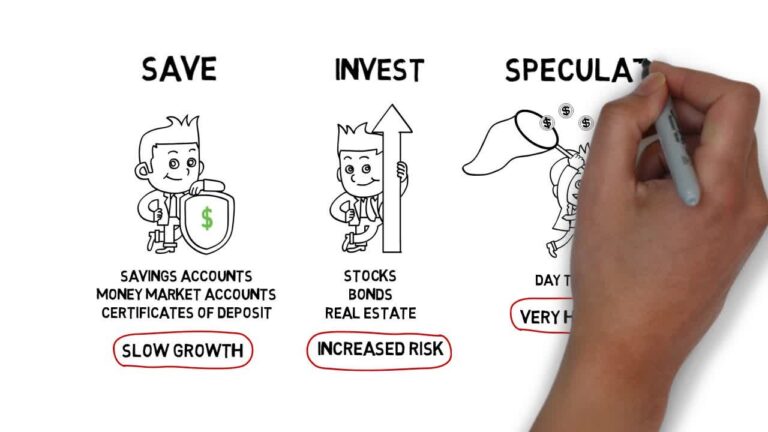
Understand Basic Investing
Investing may seem complicated at first, but learning the basics early can have a significant impact on your financial future.
Start by understanding concepts such as:
- Risk and Return.
- Diversification.
- Compound growth.
- Long-term investing.
- Different investment options.
You don’t need to become an expert overnight.
Building your knowledge gradually is often the best approach.
Read Trusted Personal Finance Resources
One of the fastest ways to improve financial literacy is by learning from reliable educational resources.
Look for books, articles, educational websites, and trusted financial publications that explain personal finance in simple language.
Focus on learning fundamental concepts rather than searching for quick ways to make money.
Set Clear Financial Goals
Learning becomes easier when you know what you’re working toward.
Examples of financial goals include:
- Building an emergency fund.
- Paying off debt.
- Buying a home.
- Saving for retirement.
- Starting a business.
- Becoming financially independent.
Clear goals help you stay motivated while improving your financial knowledge and decision-making.
Practice What You Learn
Reading about money is valuable, but applying what you learn is even more important.
As you gain new knowledge, begin using it in your daily financial decisions.
For example:
- Create a monthly budget.
- Review your spending.
- Save automatically.
- Compare financial products before making decisions.
- Avoid impulse purchases.
Practical experience strengthens your financial literacy far more than theory alone.
Develop Strong Financial Habits
Financial literacy is built through consistent habits rather than one-time actions.
Simple daily and monthly habits can strengthen your financial knowledge over time.
Some effective habits include:
- Review your bank transactions regularly.
- Track your monthly spending.
- Save a portion of every paycheck.
- Avoid buying things without planning.
- Compare prices before making purchases.
- Read about personal finance every week.
- Review your financial goals regularly.
These small habits may seem simple, but they create a strong foundation for long-term financial success.
Continue Learning as Your Financial Life Changes
Financial literacy isn’t something you master once and forget.
As your income, responsibilities, and financial goals change, your knowledge should grow as well.
You may eventually need to learn about:
- Home buying.
- Retirement planning.
- Tax planning.
- Insurance coverage.
- Investing strategies.
- Estate planning.
Viewing financial education as a lifelong process helps you make better decisions throughout every stage of life.
Common Mistakes Beginners Make
Everyone makes financial mistakes, especially when they’re just starting out.
Recognizing these common errors can help you avoid them.
Some common mistakes include:
- Living beyond your income.
- Ignoring a monthly budget.
- Not saving for emergencies.
- Using credit cards irresponsibly.
- Investing without understanding the risks.
- Believing social media financial advice without verification.
- Waiting too long to start learning about money.
- Chasing quick wealth instead of building long-term financial habits.
Learning from these mistakes early can save you significant money and stress later.
Tips to Improve Financial Literacy Faster
Improving your financial knowledge doesn’t require spending hours every day.
Try these practical tips:
- Learn one personal finance topic each week.
- Ask questions whenever you don’t understand a financial concept.
- Use budgeting tools or financial apps to track your progress.
- Read financial books written for beginners.
- Follow trusted educational sources instead of relying on online trends.
- Review your financial decisions to understand what worked and what didn’t.
The goal isn’t to know everything.
It’s to make slightly better financial decisions over time.
Frequently Asked Questions
How long does it take to become financially literate?
Financial literacy is an ongoing process rather than a destination.
Most beginners can build a strong foundation within a few months by consistently learning and applying basic money management principles.
Can I improve financial literacy without studying finance?
Yes.
You don’t need a finance degree to become financially literate.
Many people develop excellent money management skills through books, educational resources, practical experience, and consistent learning.
What’s the best topic to learn first?
Most beginners should start with budgeting, saving, and understanding how to manage expenses.
These skills create the foundation for learning about debt, investing, insurance, and long-term financial planning.
How often should I review my finances?
Reviewing your finances at least once a month helps you monitor spending, evaluate your progress, and make adjustments to your budget or financial goals when needed.
Why is financial literacy important at a young age?
Learning about money early gives you more time to build healthy financial habits, avoid costly mistakes, and benefit from long-term saving and investing.
Conclusion
Improving financial literacy doesn’t happen overnight, but every step you take brings you closer to making smarter financial decisions.
You don’t need to know everything at once or earn a high income to become financially confident.
By understanding how money works, creating a realistic budget, building savings, learning about responsible borrowing, and gradually exploring investing, you’ll develop skills that support financial stability throughout your life.
Remember that financial literacy is not about perfection—it’s about progress.
Stay curious, continue learning, and apply what you learn consistently.
Over time, these small improvements can lead to greater financial security, reduced stress, and the confidence to make informed decisions about your money.