If you’re just starting your personal finance journey, you’ve probably heard people talk about saving and investing as if they mean the same thing.
Although both involve setting aside money for the future, they serve very different purposes and play unique roles in building financial security.
Many beginners believe they must choose between saving and investing.
In reality, the strongest financial plans include both.
Saving provides stability and helps you prepare for short-term needs, while investing gives your money the opportunity to grow over the long term.
Understanding the difference between saving and investing is one of the most important financial lessons every beginner should learn.
Making the right choice at the right time can help you achieve your goals while avoiding unnecessary financial risk.
This guide explains how saving and investing work, their advantages and disadvantages, and how beginners can decide which approach is right for different financial situations.
What Is Saving?
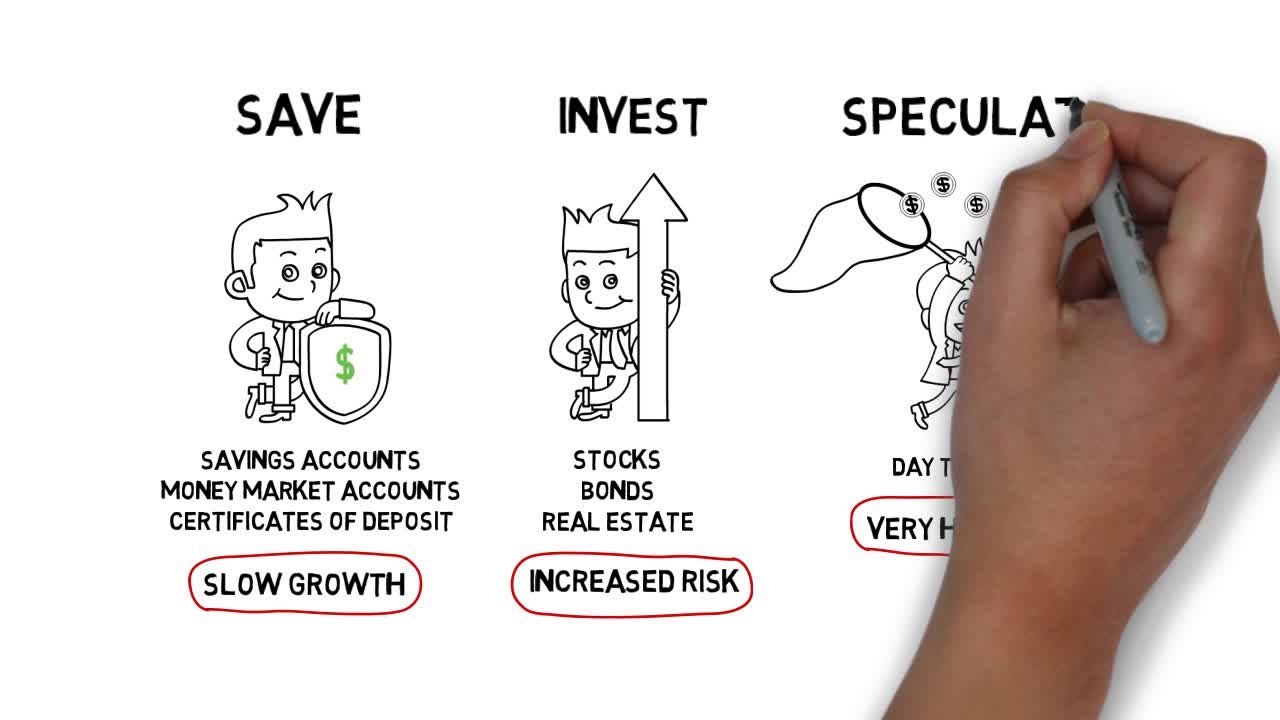
Saving means setting aside money for future use while keeping it easily accessible and relatively safe.
People usually save money for short-term financial goals or unexpected expenses.
Savings are commonly used for:
- Emergency funds.
- Medical expenses.
- Vacations.
- Buying a vehicle.
- Home repairs.
- Education expenses.
- Major planned purchases.
The primary goal of saving is financial security rather than generating high returns.
What Is Investing?
Investing means using your money to purchase assets that have the potential to increase in value over time.
Unlike savings, investments can fluctuate in value.
While there is the possibility of earning higher returns, there is also the risk of losing money, especially in the short term.
People invest to achieve long-term financial goals such as:
- Retirement.
- Financial independence.
- Wealth creation.
- Buying a home in the future.
- Funding children’s education.
- Building passive income.
Investing focuses on growing wealth over many years rather than preserving money for immediate needs.
Saving vs Investing at a Glance
| Feature | Saving | Investing |
|---|---|---|
| Primary Goal | Protect your money | Grow your money over time |
| Risk Level | Generally low | Varies depending on the investment |
| Potential Return | Usually lower | Potentially higher over the long term |
| Time Horizon | Short-term | Long-term |
| Access to Money | Usually easy | May take time or involve market fluctuations |
| Suitable For | Emergency funds and planned expenses | Long-term wealth building |
This comparison shows that saving and investing are designed to solve different financial challenges rather than compete with each other.
When Should You Save?
Saving is usually the better choice when you expect to need the money within the next few years.
You should prioritize saving if you are:
- Building an emergency fund.
- Paying for an upcoming vacation.
- Planning a large purchase.
- Saving for a home down payment in the near future.
- Preparing for expected medical expenses.
- Creating a financial cushion for unexpected situations.
Since savings are generally more stable, they help reduce financial uncertainty.
When Should You Invest?
Investing is generally more suitable for goals that are several years away.
You may consider investing if you are:
- Saving for retirement.
- Building long-term wealth.
- Planning for financial independence.
- Investing for future education expenses.
- Looking to grow money that you won’t need immediately.
The longer your investment horizon, the more time your investments have to recover from short-term market fluctuations.
Why Every Beginner Needs Both
Many people mistakenly believe they should either save or invest.
In reality, both strategies complement each other.
Savings provide stability during emergencies and help you avoid unnecessary debt.
Investments help your money outpace inflation and build long-term wealth.
Having both savings and investments creates a stronger financial foundation than relying on either strategy alone.
Start With Saving Before Investing
For most beginners, saving should come before investing.
Building a basic emergency fund gives you financial protection if unexpected expenses arise.
Without emergency savings, you may be forced to sell investments during unfavorable market conditions or rely on expensive debt.
Once your financial foundation is established, investing becomes much easier and less stressful.
Benefits of Saving
Saving offers financial security and peace of mind.
Although savings generally don’t grow as quickly as investments, they play an essential role in every financial plan.
Some of the biggest benefits include:
- Easy access to your money when needed.
- Lower financial risk.
- Protection during emergencies.
- Better control over short-term financial goals.
- Reduced dependence on credit cards or loans.
Having savings can also reduce financial stress because you know you have money available for unexpected situations.
Benefits of Investing
Investing allows your money to work for you instead of remaining idle.
Over the long term, investing has the potential to generate higher returns than simply keeping money in a savings account.
Some advantages include:
- Long-term wealth creation.
- Opportunity to outpace inflation.
- Compound growth over time.
- Building retirement savings.
- Creating future financial independence.
While investing involves risk, disciplined long-term investing has historically helped many people build substantial wealth.
Risks of Saving
Although saving is generally considered safe, it has certain limitations.
These include:
- Lower returns compared to many investments.
- Inflation may reduce your purchasing power over time.
- Money may grow slowly if interest rates remain low.
Keeping all your money in savings for decades can make it difficult to achieve long-term wealth-building goals.
Risks of Investing
Investing offers greater growth potential, but it also involves uncertainty.
Common investment risks include:
- Market fluctuations.
- Temporary declines in investment value.
- Economic downturns.
- Poor investment decisions.
- Emotional buying and selling.
Understanding these risks before investing helps you make better financial decisions and avoid unrealistic expectations.
How Inflation Affects Saving and Investing
Inflation is one of the biggest reasons people choose to invest.
As prices rise over time, the purchasing power of money decreases.
For example, an amount that buys a certain number of groceries today may buy fewer items several years from now.
Savings provide security, but if the return on your savings doesn’t keep pace with inflation, your money gradually loses purchasing power.
Investing offers the possibility of earning returns that may help offset inflation over long periods, although returns are never guaranteed.
How to Decide Between Saving and Investing
The right choice depends on your financial goals and how soon you’ll need the money.
Consider these questions:
- Will I need this money within the next few years?
- Do I already have an emergency fund?
- Can I tolerate temporary declines in value?
- Am I investing for long-term financial goals?
- Is my financial foundation already stable?
Your answers can help determine whether saving, investing, or a combination of both is the better choice.
A Practical Example
Imagine two individuals who each receive an annual bonus.
One person places the entire amount into an emergency savings account because they plan to buy a car within the next year.
The other person already has emergency savings and decides to invest the bonus for retirement, which is several decades away.
Both individuals make sensible financial decisions because their choices match their financial goals and timelines.
The best financial strategy isn’t choosing one option over the other.
It’s using each one for the purpose it was designed to serve.
Common Myths About Saving and Investing
Many beginners misunderstand how saving and investing work.
Here are a few common myths.
Myth: Saving Is Better Than Investing
Saving is excellent for short-term financial security, but relying only on savings may limit long-term wealth growth.
Myth: Investing Is Only for Wealthy People
Many people begin investing with relatively small amounts.
Consistency often matters more than the size of your first investment.
Myth: Investing Is the Same as Gambling
Investing is based on research, diversification, and long-term planning.
Gambling depends largely on chance and short-term outcomes.
Myth: I Need to Choose One
Most successful financial plans include both saving and investing because they serve different purposes and work together to Improve Financial stability.
Common Mistakes Beginners Should Avoid
Understanding the difference between saving and investing is important, but avoiding common mistakes is equally valuable.
Many beginners struggle because they misunderstand the purpose of each strategy.
Some of the most common mistakes include:
- Investing before building an emergency fund.
- Keeping all your money in savings for many years.
- Investing money you’ll need in the near future.
- Expecting quick profits from investments.
- Selling investments during short-term market declines out of fear.
- Ignoring inflation when planning long-term finances.
- Failing to set clear financial goals.
- Choosing investments without understanding how they work.
Avoiding these mistakes can help you make more confident financial decisions and reduce unnecessary risk.
Tips for Balancing Saving and Investing
The strongest financial plans don’t rely entirely on saving or investing.
Instead, they use both strategies for different purposes.
Consider these practical tips:
- Build an emergency fund before making significant investments.
- Save for short-term goals and invest for long-term goals.
- Review your financial goals regularly.
- Increase your savings and investments as your income grows.
- Avoid using investment money for everyday expenses.
- Continue learning about personal finance and investing.
- Stay patient and focus on long-term progress rather than short-term market movements.
Finding the right balance between saving and investing creates both financial security and long-term growth.
When Should You Shift From Saving to Investing?
As your financial situation improves, you may gradually allocate more money toward investing.
You may be ready to increase your investments when:
- You have a fully funded emergency fund.
- High-interest debt is under control.
- Your monthly budget is stable.
- You have clear long-term financial goals.
- You can leave your invested money untouched for several years.
This doesn’t mean you should stop saving completely.
Maintaining emergency savings while investing regularly creates a balanced financial strategy.
Frequently Asked Questions
Is saving safer than investing?
Generally, yes.
Savings are designed to protect your money and provide easy access when needed.
Investments can increase or decrease in value, making them more suitable for long-term goals rather than immediate financial needs.
Can I save and invest at the same time?
Yes.
Many people maintain an emergency savings fund while also investing regularly for long-term goals.
This balanced approach provides both financial security and opportunities for future growth.
How much should I save before I start investing?
There’s no universal amount, but many people aim to build an emergency fund that can cover several months of essential living expenses before making significant long-term investments.
Why shouldn’t I invest my emergency fund?
Emergency funds should remain easily accessible and stable because they are intended for unexpected expenses.
Investing this money could expose it to market fluctuations at the exact time you need it most.
Is investing always better than saving?
No.
Each serves a different purpose.
Saving is best for short-term needs and financial security, while investing is designed to help grow your money over the long term.
Most people benefit from using both.
Can inflation affect both savings and investments?
Yes.
Inflation reduces the purchasing power of money over time.
Savings may lose value if returns don’t keep pace with inflation, while investments have the potential to outgrow inflation over the long term, although returns are never guaranteed.
Conclusion
Saving and investing are not competing financial strategies—they are complementary tools that help you achieve different goals.
Saving provides the stability and flexibility needed for emergencies and short-term expenses, while investing offers the opportunity to grow your wealth and work toward long-term financial objectives.
Understanding when to use each approach is one of the most important lessons in personal finance.
As a beginner, focus first on building a strong financial foundation by creating a budget, establishing an emergency fund, and developing consistent saving habits.
Once those essentials are in place, begin investing gradually with a long-term mindset.
Remember that financial success isn’t about choosing between saving and investing.
It’s about knowing how each one fits into your overall financial plan.
By using both wisely and staying consistent over time, you’ll be better prepared to handle life’s unexpected expenses while building a more secure financial future.