Financial literacy is one of the most valuable life skills an adult can develop.
Every financial decision you make—whether it’s creating a budget, paying bills, buying a home, investing for retirement, or taking out a loan—can affect your financial future for years to come.
Unfortunately, many adults begin managing their own finances without receiving any formal education about money.
This often leads to unnecessary debt, poor spending habits, inadequate savings, and missed investment opportunities.
The good news is that financial literacy can be learned at any age.
Understanding the core principles of personal finance helps you make informed decisions, avoid costly mistakes, and build long-term financial stability.
Whether you’re starting your first job, supporting a family, or planning for retirement, improving your financial knowledge can benefit every stage of life.
This guide explores the essential financial literacy topics every adult should understand and explains why each one plays an important role in achieving financial well-being.
Budgeting

Budgeting is the foundation of good financial management.
A budget helps you understand how much money you earn, where your money goes, and how much you can save or invest each month.
Instead of wondering where your income disappeared, a budget gives every dollar a purpose.
A practical budget can help you:
- Pay bills on time.
- Control unnecessary spending.
- Reduce financial stress.
- Save consistently.
- Reach financial goals more efficiently.
Budgeting isn’t about limiting your lifestyle.
It’s about making intentional financial decisions that reflect your priorities.
Saving Money

Saving is one of the simplest yet most important financial habits every adult should develop.
Savings provide financial security during unexpected situations and help you prepare for future goals.
Reasons to save include:
- Medical emergencies.
- Car repairs.
- Home maintenance.
- Major purchases.
- Career changes.
- Financial independence.
Even small amounts saved consistently can grow into meaningful financial protection over time.
Emergency Funds

Every adult should understand the importance of maintaining an emergency fund.
An emergency fund is money reserved specifically for unexpected expenses that cannot easily be planned.
Examples include:
- Job loss.
- Emergency medical treatment.
- Urgent home repairs.
- Unexpected travel.
- Essential vehicle repairs.
Having emergency savings reduces the need to rely on credit cards or loans during difficult situations.
Understanding Debt

Debt is a normal part of modern life, but understanding how it works is essential.
Adults should learn the difference between productive borrowing and borrowing that creates unnecessary financial stress.
Important concepts include:
- Interest rates.
- Loan repayment.
- Credit cards.
- Personal loans.
- Mortgages.
- Student loans.
Understanding these concepts helps people borrow responsibly and avoid long-term financial problems.
Credit Scores and Credit History

Your credit history can influence many financial opportunities.
A strong credit profile may improve your ability to qualify for loans, obtain better interest rates, or access certain financial products.
Adults should understand:
- How credit scores work.
- What affects credit history.
- Why making payments on time matters.
- How excessive borrowing can impact future borrowing opportunities.
Building responsible credit habits early can provide long-term financial benefits.
Investing

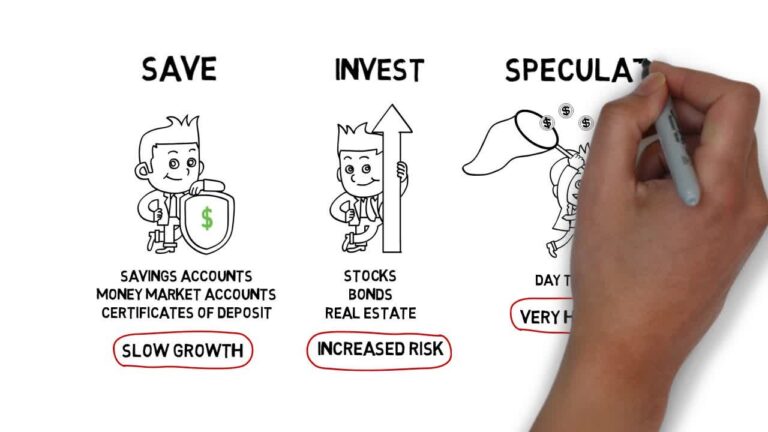
Saving protects your money.
Investing helps your money grow.
Every adult should understand the basic principles of investing, even if they are not ready to invest immediately.
Important investment topics include:
- Stocks.
- Bonds.
- Mutual funds.
- Exchange-Traded Funds (ETFs).
- Diversification.
- Risk tolerance.
- Long-term investing.
Learning these concepts helps individuals make informed investment decisions rather than relying on speculation or market trends.
Compound Growth

One of the most powerful financial concepts every adult should understand is compound growth.
When investment earnings generate additional earnings over time, wealth can increase significantly through long-term investing.
The earlier you begin saving and investing, the more time your money has to benefit from compounding.
This is why many financial professionals encourage starting as early as possible, even with relatively small contributions.
Insurance

Insurance protects you from financial losses caused by unexpected events.
Every adult should understand the purpose of different types of insurance, including:
- Health insurance.
- Life insurance.
- Disability insurance.
- Auto insurance.
- Home or renters insurance.
Insurance isn’t designed to create wealth.
Its primary purpose is to reduce financial risk and protect your assets.
Retirement Planning

Retirement may seem far away, especially for young adults, but starting early gives your money more time to grow.
Retirement planning involves regularly setting aside money that can support your lifestyle after you stop working.
Adults should understand:
- The importance of starting early.
- Long-term investing.
- Retirement savings accounts available in their country.
- How inflation affects retirement savings.
- The benefits of consistent contributions.
Even small monthly investments can grow significantly over several decades.
Tax Planning

Every adult should understand the basics of taxes.
Good tax planning isn’t about avoiding taxes—it’s about legally reducing your tax liability through proper financial planning.
Basic tax knowledge includes:
- Understanding taxable income.
- Knowing available deductions and exemptions.
- Keeping financial records.
- Filing tax returns on time.
- Planning investments with tax efficiency in mind.
Learning these basics helps you make smarter financial decisions throughout the year.
Financial Goal Setting

Money becomes easier to manage when it has a clear purpose.
Instead of saving randomly, set specific financial goals.
Examples include:
- Buying your first home.
- Paying off debt.
- Building an emergency fund.
- Saving for higher education.
- Starting a business.
- Achieving financial independence.
Clear goals make budgeting, saving, and investing more meaningful.
Understanding Inflation

Inflation gradually reduces the purchasing power of money.
This means the same amount of money may buy fewer goods and services in the future.
Adults who understand inflation are more likely to:
- Invest for long-term growth.
- Avoid keeping excessive cash unused.
- Plan realistically for future expenses.
- Adjust financial goals over time.
Ignoring inflation can make long-term financial planning much more difficult.
Managing Lifestyle Inflation

As income increases, many people automatically increase their spending.
This habit is known as lifestyle inflation.
Examples include:
- Buying a more expensive car immediately after a salary increase.
- Moving into a significantly larger home.
- Increasing luxury spending without increasing savings.
- Upgrading every aspect of daily life simply because income has grown.
While enjoying higher income is reasonable, consistently increasing spending can prevent long-term wealth creation.
Balancing lifestyle improvements with saving and investing is usually a healthier financial approach.
Financial Scams and Fraud Awareness

Financial literacy also means protecting your money from fraud.
Adults should recognize common warning signs such as:
- Promises of guaranteed high returns.
- Pressure to invest immediately.
- Requests for personal banking information.
- Unverified investment opportunities.
- Fake online shopping or payment requests.
- Phishing emails and fraudulent phone calls.
Developing basic financial awareness helps reduce the risk of becoming a victim of scams.
Estate Planning

Although many people believe estate planning is only for the wealthy, every adult can benefit from understanding the basics.
Estate planning may include:
- Writing a will.
- Choosing beneficiaries.
- Organizing financial records.
- Planning for asset distribution.
- Preparing important legal documents.
Proper planning can reduce uncertainty for family members during difficult times.
Continuous Financial Education

Financial literacy isn’t something you learn once.
Financial products, tax laws, investment opportunities, and economic conditions change over time.
Continuing to improve your financial knowledge helps you make better decisions throughout your life.
Reading financial books, following trusted educational resources, and reviewing your financial plan regularly are excellent ways to stay informed.
Essential Financial Literacy Topics at a Glance

| Financial Topic | Why It Matters |
|---|---|
| Budgeting | Helps control spending and manage income effectively. |
| Saving | Builds financial security for future goals and emergencies. |
| Emergency Fund | Protects against unexpected financial setbacks. |
| Debt Management | Helps avoid expensive borrowing mistakes. |
| Credit | Supports responsible borrowing and financial opportunities. |
| Investing | Builds long-term wealth through disciplined investing. |
| Insurance | Protects against major financial risks. |
| Retirement Planning | Helps maintain financial independence later in life. |
| Tax Planning | Reduces tax liability legally through proper planning. |
| Inflation | Helps preserve purchasing power over time. |
| Estate Planning | Protects family members and personal assets. |
| Financial Scams | Reduces the risk of financial fraud and identity theft. |
Common Financial Mistakes Adults Should Avoid

Understanding financial concepts is valuable, but avoiding common mistakes is equally important.
Many financial problems arise not because people earn too little, but because they make poor money decisions repeatedly.
Some common mistakes include:
- Living beyond your means.
- Not following a Monthly Budget.
- Spending without tracking expenses.
- Ignoring emergency savings.
- Carrying high-interest credit card debt.
- Delaying investing for too long.
- Borrowing money for unnecessary purchases.
- Failing to review insurance coverage.
- Ignoring retirement planning.
- Making financial decisions based on emotions instead of facts.
Recognizing these mistakes early can help you build stronger financial habits and avoid unnecessary financial stress.
Daily Habits That Improve Financial Literacy

Financial literacy improves through consistent action rather than occasional learning.
Simple habits can make a significant difference over time.
Consider adopting these habits:
- Review your bank account regularly.
- Track your spending every week.
- Read about personal finance for a few minutes each day.
- Save part of every paycheck before spending.
- Compare prices before making major purchases.
- Avoid impulse buying by giving yourself time before purchasing.
- Review your financial goals every month.
- Continue learning about investing, taxes, and insurance.
Small habits practiced consistently often produce better long-term results than dramatic financial changes.
Why Financial Literacy Is a Lifelong Journey

Financial literacy isn’t something you complete like a course or a degree.
As your life changes, your financial responsibilities also change.
Early adulthood may focus on budgeting and saving.
Later, you may need to understand home ownership, investing, insurance, tax planning, or retirement preparation.
Continuing to improve your financial knowledge helps you adapt to these changes with confidence and make informed decisions throughout every stage of life.
Frequently Asked Questions

Why is financial literacy important for every adult?
Financial literacy helps adults make informed decisions about budgeting, saving, borrowing, investing, taxes, and retirement planning.
It reduces financial stress and supports long-term financial stability.
What should I learn first if I’m new to personal finance?
Most beginners should start with budgeting, tracking expenses, saving money, and understanding how debt works.
These topics create the foundation for learning more advanced financial concepts.
How can I improve my financial literacy?
You can improve your financial literacy by reading trusted financial resources, creating a monthly budget, tracking your spending, learning about investing, and applying what you learn in your daily financial decisions.
Do I need a high income to become financially literate?
No.
Financial literacy is about making smart financial decisions, not about how much money you earn.
People with modest incomes can build strong financial habits and achieve long-term financial security.
How often should I review my financial plan?
Reviewing your finances at least once a month helps you monitor your progress, adjust your budget, evaluate your goals, and respond to changes in your financial situation.
Is financial literacy only about investing?
No.
Investing is only one part of financial literacy.
It also includes budgeting, saving, debt management, insurance, taxes, retirement planning, credit management, and protecting yourself from financial fraud.
Conclusion
Financial literacy is one of the most valuable investments you can make in yourself.
It gives you the knowledge and confidence to make informed financial decisions that support both your current needs and your future goals.
You don’t need to master every financial topic at once.
Begin with the fundamentals, such as budgeting, saving, managing debt, and understanding credit.
As your confidence grows, expand your knowledge to include investing, insurance, taxes, retirement planning, and other advanced financial topics.
Remember that financial success isn’t determined solely by income.
It’s shaped by the decisions you make consistently over time.
By improving your financial literacy, developing healthy money habits, and continuing to learn throughout your life, you can build greater financial security, reduce unnecessary stress, and create a stronger foundation for your future.