Tracking your daily expenses is one of the most effective ways to improve your financial health.
Yet many people avoid it because they assume they need a budgeting app, complicated software, or advanced spreadsheets.
The truth is that you don’t need any digital tools to understand where your money goes.
Long before budgeting apps existed, people successfully managed their finances using notebooks, paper records, envelopes, and simple monthly reviews.
These methods are still effective today because the key to successful expense tracking isn’t the technology—it’s consistency.
Whether you prefer writing things down, avoiding screens, or simply want a straightforward approach, manual expense tracking can help you become more aware of your spending habits, reduce unnecessary expenses, and make smarter financial decisions.
This guide explains several practical ways to track daily expenses without using an app and shows how to turn expense tracking into a sustainable daily habit.
Why Track Daily Expenses?
Many people know roughly how much they earn each month but have only a vague idea of where their money actually goes.
Small purchases often seem insignificant on their own, but together they can have a major impact on your finances.
Tracking daily expenses helps you:
- Understand your spending habits.
- Identify unnecessary purchases.
- Stay within your budget.
- Save more consistently.
- Reduce financial stress.
- Reach financial goals more efficiently.
The goal isn’t to judge every purchase but to create awareness that leads to better financial decisions.
Do You Really Need an App?
No.
Budgeting apps can be helpful, but they are not required for successful money management.
Many people actually prefer manual expense tracking because it encourages them to think more carefully about each purchase.
Writing down your expenses by hand often creates greater awareness than automatically importing transactions from a financial app.
Choose the method that fits your lifestyle rather than assuming technology is always the best solution.
Use a Small Notebook
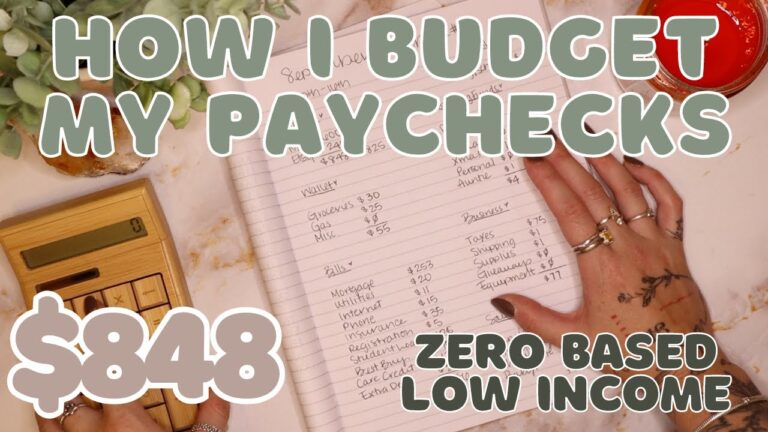
One of the easiest ways to track expenses is by carrying a small notebook.
Every time you spend money, record:
- The date.
- The item purchased.
- The amount spent.
- The spending category.
For example:
| Date | Purchase | Category | Amount |
|---|---|---|---|
| July 5 | Groceries | Food | $48 |
| July 5 | Coffee | Dining Out | $5 |
| July 6 | Fuel | Transportation | $40 |
This simple habit helps you build awareness of your spending throughout the month.
Keep Receipts Until the End of the Day
If writing down every purchase immediately isn’t practical, keep your receipts throughout the day.
Each evening, spend a few minutes recording all expenses in your notebook or budget journal.
This method reduces the chance of forgetting small purchases while requiring only a short amount of time each day.
Create Spending Categories
Organizing expenses into categories makes it much easier to identify spending patterns.
Common categories include:
- Housing.
- Groceries.
- Transportation.
- Dining Out.
- Entertainment.
- Shopping.
- Healthcare.
- Utilities.
- Savings.
- Miscellaneous.
After several weeks, you’ll quickly see which categories consume the largest portion of your income.
Record Expenses Every Day
Consistency is more important than perfection.
Recording expenses daily usually takes only a few minutes and helps prevent forgotten purchases.
Waiting until the end of the month often leads to inaccurate records because it’s difficult to remember every transaction.
Making expense tracking part of your daily routine increases the likelihood that you’ll continue doing it over the long term.
Use a Monthly Expense Journal
Instead of using loose pieces of paper, dedicate one notebook exclusively to your finances.
Each month, create sections for:
- Income.
- Fixed expenses.
- Daily spending.
- Savings.
- Financial goals.
- Monthly review.
Keeping everything in one place makes it easier to compare spending patterns from month to month and measure your financial progress.
Review Your Spending Every Week
Tracking expenses is only useful if you review what you’ve recorded.
Once each week, look through your spending and ask yourself:
- Which purchases were necessary?
- Which expenses surprised me?
- Where could I spend less next week?
- Am I staying within my budget?
- Am I making progress toward my financial goals?
Regular reviews turn expense tracking into practical financial improvement rather than simply collecting information.
Use the Envelope Method
The envelope method is one of the oldest and simplest ways to control daily spending without using any technology.
Here’s how it works:
- Decide how much money you want to spend in each category for the month.
- Place cash for each category into separate envelopes.
- Spend only the money available in each envelope.
For example:
| Envelope | Monthly Budget |
|---|---|
| Groceries | $400 |
| Transportation | $200 |
| Dining Out | $150 |
| Entertainment | $100 |
| Personal Shopping | $150 |
Once an envelope is empty, avoid spending more in that category until the next budgeting period.
This method naturally limits overspending and makes you more aware of where your money goes.
Write Down Every Cash Purchase
Cash transactions are easy to forget because they don’t appear in your bank statement as individual reminders.
Whenever you spend cash, record:
- Date.
- Amount.
- Purpose.
- Spending category.
Even small purchases like snacks, coffee, parking fees, or public transportation should be included.
These small expenses often have a larger impact than people realize.
Keep a Daily Spending Log
A daily spending log doesn’t need to be complicated.
At the end of each day, write down:
- Total money spent.
- Largest purchase.
- Unnecessary purchases, if any.
- Remaining budget for the week.
- One improvement for tomorrow.
This daily reflection encourages mindful spending instead of automatic spending.
Create a Weekly Spending Summary
At the end of every week, summarize your expenses by category.
For example:
| Category | Weekly Spending |
|---|---|
| Groceries | $95 |
| Transportation | $42 |
| Dining Out | $38 |
| Entertainment | $20 |
| Shopping | $45 |
Looking at weekly totals helps you identify patterns before they become expensive monthly habits.
Compare Planned Spending With Actual Spending
Expense tracking becomes much more useful when you compare your budget with reality.
Create a simple comparison table.
| Category | Budgeted | Actual |
|---|---|---|
| Groceries | $400 | $385 |
| Transportation | $200 | $210 |
| Dining Out | $120 | $175 |
| Entertainment | $100 | $90 |
This comparison quickly shows where adjustments are needed without requiring complicated financial software.
Common Challenges When Tracking Expenses
Many beginners stop tracking because they expect perfection.
Some common challenges include:
- Forgetting to record purchases.
- Losing receipts.
- Feeling discouraged after overspending.
- Recording expenses inconsistently.
- Giving up after missing a few days.
These challenges are normal.
The goal isn’t perfect records—it’s improving your awareness of how you use your money.
Build a Daily Tracking Habit
Expense tracking becomes easier when it’s connected to an existing routine.
You might review your spending:
- After dinner.
- Before going to bed.
- During your morning coffee.
- Every Sunday evening for the weekly review.
Choosing a consistent time each day helps turn expense tracking into an automatic habit.
Benefits of Manual Expense Tracking
Many people are surprised by how effective handwritten expense tracking can be.
Some advantages include:
- Greater awareness of spending.
- Fewer impulse purchases.
- Better budgeting decisions.
- Improved saving habits.
- Less dependence on technology.
- Better understanding of personal spending patterns.
- Increased confidence in managing money.
The act of writing each expense often makes people think more carefully before making future purchases.
Common Mistakes to Avoid When Tracking Expenses
Tracking your expenses manually is simple, but a few common mistakes can reduce its effectiveness.
Fortunately, these habits are easy to correct once you recognize them.
Avoid these common mistakes:
- Recording only large purchases while ignoring small daily expenses.
- Waiting several days before writing down transactions.
- Forgetting to include cash payments.
- Mixing personal and household expenses without clear categories.
- Tracking expenses without reviewing them.
- Creating too many spending categories that become difficult to manage.
- Giving up after missing a day or two.
Remember that consistency is far more important than perfection.
Missing a few entries occasionally won’t ruin your progress if you continue the habit.
How to Turn Expense Tracking Into a Lifelong Habit
Expense tracking should become part of your financial routine rather than a temporary challenge.
These simple practices can help:
- Keep your notebook in the same place every day.
- Carry a pen so you can record purchases immediately.
- Spend five minutes each evening updating your records.
- Review your weekly spending every weekend.
- Compare monthly spending with previous months.
- Celebrate improvements instead of focusing only on mistakes.
- Adjust your budget whenever your income or expenses change.
The easier you make the process, the more likely you’ll continue doing it consistently.
Signs Your Expense Tracking Is Working
You may not notice dramatic changes during the first week, but over time you’ll likely see clear improvements.
Positive signs include:
- You know exactly where your money goes each month.
- Impulse purchases become less frequent.
- Saving money becomes easier.
- Monthly bills no longer come as a surprise.
- You stay closer to your planned budget.
- Financial stress begins to decrease.
- You feel more confident making spending decisions.
These improvements usually happen because awareness naturally leads to better financial choices.
Frequently Asked Questions
Can I track expenses without using any technology?
Yes.
A notebook, journal, or printed worksheet is enough to track your daily spending effectively.
Consistency matters much more than the method you choose.
How often should I record my expenses?
Ideally, record your expenses every day.
Daily tracking reduces the chance of forgetting purchases and helps you stay aware of your spending habits.
Should I track small purchases like coffee or snacks?
Yes.
Small purchases may seem insignificant individually, but together they can represent a meaningful portion of your monthly spending.
Recording them gives you a more accurate picture of your finances.
How long should I keep tracking my expenses?
Expense tracking is most effective when it becomes an ongoing habit.
Even after you become comfortable with your spending patterns, continuing to review your expenses regularly helps you maintain good financial habits.
What if I forget to record a purchase?
Simply record it as soon as you remember.
Don’t abandon the process because of one missed expense.
The goal is to improve your awareness over time, not to create a perfect financial record.
Is manual expense tracking better than using an app?
Neither method is universally better.
Some people prefer apps because they’re convenient, while others find that writing expenses by hand makes them more mindful of their spending.
The best system is the one you’ll use consistently.
Conclusion
Tracking your daily expenses without an app is not only possible—it can be one of the most effective ways to improve your financial habits.
A simple notebook, regular reviews, and a few minutes of attention each day are often enough to give you a clear understanding of where your money goes.
By recording your spending consistently, organizing expenses into categories, reviewing your progress regularly, and making small adjustments over time, you’ll build greater awareness and control over your finances.
This awareness makes it easier to reduce unnecessary spending, increase savings, and work toward your long-term financial goals.
The most important step is simply getting started.
You don’t need expensive software or complex budgeting tools.
All you need is a reliable system, a commitment to consistency, and the willingness to learn from your spending habits.
Over time, these small daily actions can lead to stronger financial discipline and lasting financial confidence.