Health insurance is one of the most important financial protections a family can have.
Medical emergencies can happen unexpectedly, and the cost of hospitalization, surgery, diagnostic tests, and ongoing treatment can place a significant burden on household finances.
A well-chosen health insurance plan helps reduce this financial risk by covering eligible medical expenses according to the policy terms.
However, selecting a family health insurance plan is not as simple as choosing the lowest premium.
Different policies offer different levels of coverage, waiting periods, exclusions, claim processes, and additional benefits.
Understanding these features helps you choose a plan that matches your family’s healthcare needs and financial situation.
This guide explains the key factors to consider before purchasing health insurance for your family.
What Is Family Health Insurance?
Family health insurance is a policy that provides medical coverage for multiple family members under one plan.
Depending on the insurer and policy, eligible members may include:
- You.
- Your spouse.
- Children.
- Parents.
- Other eligible dependents.
The exact eligibility rules vary between insurance companies and policy types.
Individual Plan vs Family Floater Plan
Before choosing a policy, it’s important to understand the two common types of health insurance.
Individual Health Insurance
In an individual policy, each insured family member has a separate sum insured.
For example, if each person has a policy with a $200,000 sum insured, every insured individual has their own independent coverage limit.
Family Floater Health Insurance
A family floater policy provides one shared sum insured for all covered members.
For example, if a family floater policy offers $1,000,000 in coverage, eligible claims by one member may reduce the amount available to other insured members during the policy period, depending on the policy terms.
Choosing between these options depends on your family’s size, healthcare needs, and budget.
Assess Your Family’s Healthcare Needs
Every family has different medical requirements.
Consider factors such as:
- Number of family members.
- Age of each insured person.
- Existing medical conditions.
- Family medical history.
- Planned future healthcare needs.
- Frequency of medical treatment.
Understanding these factors helps you choose an appropriate level of coverage.
Choose an Appropriate Sum Insured
The sum insured represents the maximum coverage available under the policy for eligible medical expenses.
When selecting the coverage amount, think about:
- Local hospitalization costs.
- Medical inflation.
- Family size.
- Age of insured members.
- Preferred hospitals.
- Potential future healthcare expenses.
Choosing an adequate sum insured helps reduce the likelihood of significant out-of-pocket medical costs.
Understand What the Policy Covers
Not every health insurance policy provides identical coverage.
Review whether the policy covers eligible expenses such as:
- Hospitalization.
- Day-care procedures where applicable.
- Surgery.
- Emergency treatment.
- Ambulance services, if included.
- Pre- and post-hospitalization expenses, where covered.
- Other medical benefits specified in the policy.
Always read the policy wording carefully to understand exactly what is included.
Check the Waiting Period
Most health insurance policies include waiting periods for certain illnesses, treatments, or pre-existing medical conditions.
Waiting periods vary between insurers and policy types.
Understanding these timelines before purchasing the policy helps prevent unexpected claim rejections later.
Review Policy Exclusions
Every health insurance policy contains exclusions.
These specify situations, treatments, or expenses that are not covered.
Reading the exclusions carefully helps you understand the limits of your insurance protection and prevents misunderstandings when making a claim.
Check the Network of Hospitals
Many health insurance companies have agreements with specific hospitals where eligible policyholders can receive cashless treatment according to the policy terms.
Before purchasing a plan, review:
- The number of network hospitals.
- Availability of hospitals near your home or workplace.
- Hospitals that specialize in treatments your family may require.
- Quality and reputation of the hospitals within the network.
A strong hospital network can make accessing medical care more convenient during emergencies.
Understand the Claim Process
a Health Insurance policy is only valuable if the claims process is straightforward and efficient.
Learn about:
- Cashless claim procedures.
- Reimbursement claim process.
- Documents required for claims.
- Claim notification timelines.
- Customer support availability.
Understanding the process before an emergency occurs can reduce stress during hospitalization.
Compare Premiums Carefully
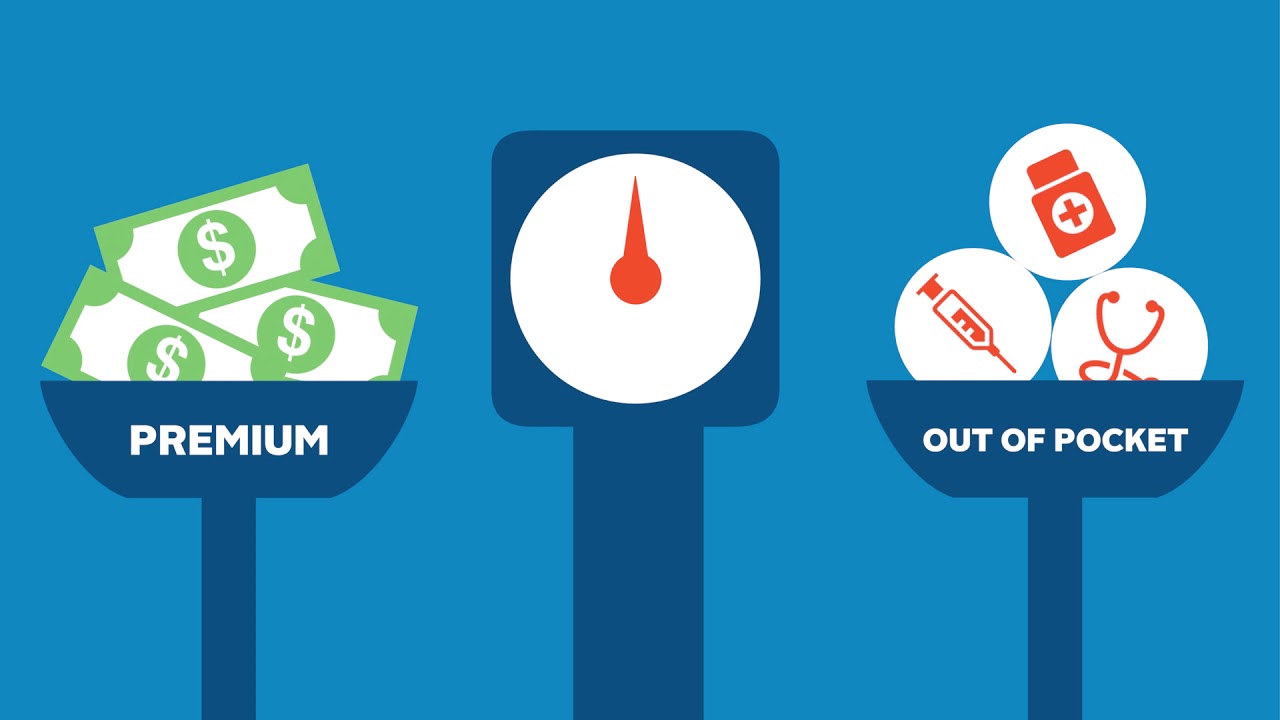
The premium is the amount you pay to keep your policy active.
While affordability is important, choosing the lowest premium should not be your only priority.
A lower premium may also mean:
- Lower sum insured.
- Higher deductibles.
- More exclusions.
- Fewer benefits.
- Longer waiting periods.
Compare the overall value of each policy instead of focusing only on the annual premium.
Look for Useful Optional Benefits
Some insurers offer optional add-on covers that may improve your protection.
Depending on the policy, these may include:
- Critical illness cover.
- Maternity benefits.
- Personal accident cover.
- Restoration or recharge benefits.
- Annual health checkups.
- Coverage for specific treatments.
Evaluate whether these optional features match your family’s healthcare needs before purchasing them.
Review the Renewal Terms
Health insurance is usually a long-term financial product.
Before buying a policy, understand:
- Renewal eligibility.
- Lifetime renewal availability, if offered.
- Waiting period rules after renewal.
- Premium revision policies.
- Conditions that may affect continued coverage.
Choosing a policy with favorable renewal provisions can provide greater long-term security.
Practical Example
Imagine a family of four comparing two health insurance policies.
The first policy offers a lower premium but has a smaller sum insured, fewer network hospitals, and limited benefits.
The second policy costs more but provides a higher sum insured, broader hospital access, restoration benefits, and a simpler claim process.
Although the second policy requires a higher annual premium, it may offer greater financial protection during major medical emergencies.
This example shows why comparing overall policy features is often more important than comparing premiums alone.
Common Misconceptions About Family Health Insurance
Many first-time buyers misunderstand how family health insurance works.
Myth: The Cheapest Policy Is Always the Best
A lower premium may come with reduced coverage or more policy limitations.
Myth: All Health Insurance Plans Cover Every Medical Expense
Every policy contains exclusions, limits, waiting periods, and conditions that determine what is covered.
Myth: Family Floater Plans Provide Separate Coverage for Every Member
Family floater policies generally provide one shared sum insured for all insured members unless the policy states otherwise.
Myth: Young Families Don’t Need Health Insurance
Medical emergencies can occur at any age, making health insurance an important part of financial planning regardless of current health.
Questions to Ask Before Buying
Before choosing a family health insurance plan, ask yourself:
- Is the sum insured sufficient for my family’s needs?
- Are my preferred hospitals included in the network?
- What are the waiting periods?
- Which medical expenses are excluded?
- Does the policy offer lifetime renewal?
- Is the claim process simple and transparent?
- Does the coverage fit both my current and future healthcare needs?
Answering these questions can help you compare policies more effectively and make a more informed decision.
Common Mistakes to Avoid When Choosing Family Health Insurance
Buying health insurance without comparing policy features can leave your family underinsured or paying for benefits you may never use.
Taking time to evaluate different plans can help you make a better long-term decision.
Some common mistakes include:
- Choosing a policy based only on the lowest premium.
- Selecting an insufficient sum insured for your family’s healthcare needs.
- Ignoring waiting periods for specific illnesses or pre-existing conditions.
- Not checking whether your preferred hospitals are part of the insurer’s network.
- Overlooking policy exclusions and sub-limits.
- Buying coverage without considering future medical expenses or medical inflation.
- Failing to review renewal terms before purchasing the policy.
- Not informing the insurer accurately about existing medical conditions during the application process.
Avoiding these mistakes can improve your family’s financial protection and reduce the chances of unexpected claim issues.
Tips for Selecting the Right Family Health Insurance Plan
Choosing a suitable health insurance policy involves balancing affordability with comprehensive protection.
Consider these practical tips:
- Compare multiple policies before making a decision.
- Select a sum insured that reflects current healthcare costs and future needs.
- Read the complete policy wording instead of relying only on marketing materials.
- Review waiting periods, exclusions, and claim procedures carefully.
- Check the insurer’s network of hospitals in your area.
- Evaluate optional benefits only if they meet your family’s specific requirements.
- Review your coverage periodically as your family grows or your financial situation changes.
A thoughtful comparison today can provide better financial security during future medical emergencies.
Frequently Asked Questions
What is a family health insurance plan?
A family health insurance plan provides medical coverage for multiple eligible family members under a single policy.
Depending on the policy type, coverage may be shared among all members or provided individually.
Is a family floater policy better than individual health insurance?
Neither option is universally better.
A family floater policy may be suitable for families with relatively similar healthcare needs, while individual policies provide separate coverage limits for each insured person.
The appropriate choice depends on your family’s circumstances.
How much sum insured should a family choose?
The ideal sum insured depends on factors such as family size, age, healthcare costs in your area, existing medical conditions, and your financial situation.
There is no single coverage amount that is appropriate for every family.
What should I compare besides the premium?
In addition to the premium, compare the sum insured, waiting periods, policy exclusions, network hospitals, claim process, renewal terms, optional benefits, and overall suitability for your family’s healthcare needs.
Can I add family members later?
Many insurers allow eligible family members to be added under certain conditions, although the exact process depends on the insurer and the policy terms.
Review your policy documents or contact the insurer for details.
Why is reading the policy wording important?
The policy wording explains what is covered, what is excluded, applicable waiting periods, claim conditions, coverage limits, and other important terms.
Reading it carefully helps you understand your rights and responsibilities before purchasing the policy.
Conclusion
Choosing a health insurance plan for your family is one of the most important financial decisions you can make.
The right policy can help protect your savings from unexpected medical expenses while ensuring that your family has access to appropriate healthcare when needed.
Rather than focusing only on the annual premium, evaluate the complete policy by considering the sum insured, covered benefits, exclusions, waiting periods, hospital network, claim process, and renewal provisions.
Every family’s healthcare needs are different, so the best health insurance plan is the one that aligns with your family’s size, medical history, financial goals, and long-term healthcare requirements.
Taking the time to compare policies carefully and understanding the terms before purchasing can help you make an informed decision that provides lasting financial protection and greater peace of mind.