When buying an insurance policy, you’ll often come across the term deductible.
While many people focus on the premium, coverage amount, and benefits, understanding the deductible is equally important because it determines how much you may need to pay yourself before your insurer contributes toward an eligible claim.
A deductible is commonly found in various types of insurance, including health, motor, travel, and property insurance.
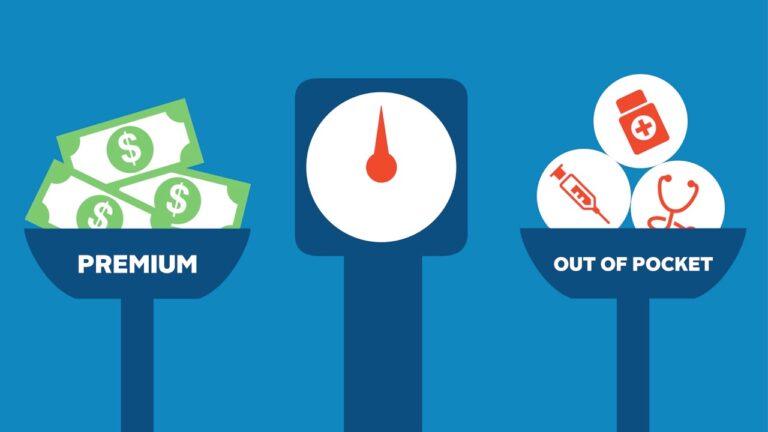
Choosing the right deductible can affect both your insurance premium and your out-of-pocket expenses during a claim.
Understanding how deductibles work helps you compare insurance policies more effectively and avoid surprises when you need to file a claim.
This guide explains deductibles in simple language with practical examples.
What Is a Deductible?
A deductible is the amount that the policyholder agrees to pay toward an eligible claim before the insurance company pays the remaining covered amount, subject to the policy’s terms and conditions.
In simple terms:
The deductible is your share of the claim.
The insurer generally pays the remaining eligible amount after the deductible has been applied, provided the claim is covered under the policy.
How Does a Deductible Work?
Suppose your insurance policy includes a deductible.
If an eligible claim occurs:
-
You pay the deductible amount.
-
The insurer generally pays the remaining eligible expenses according to the policy terms.
-
Coverage limits, exclusions, co-payments, and other conditions may also affect the final claim amount.
The deductible is only one part of the claim calculation.
Simple Example
Imagine your health insurance policy has:
-
Sum insured: $100,000
-
Deductible: $1,000
If your eligible hospital bill is $10,000:
-
You pay the first $1,000.
-
The insurer may pay the remaining eligible $9,000, subject to the policy conditions.
If the medical bill is less than the deductible, the insurer may not make a payment because the deductible has not been exceeded.
Why Do Insurance Policies Have Deductibles?
Insurance companies use deductibles for several reasons.
They help:
-
Reduce very small claims.
-
Encourage responsible use of insurance.
-
Share financial responsibility between the insurer and the policyholder.
-
Lower insurance premiums in many cases.
-
Reduce administrative costs associated with frequent minor claims.
The exact purpose and effect depend on the policy design.
Types of Deductibles
Different insurance policies may use different deductible structures.
Some common types include:
Fixed Deductible
A fixed deductible is a specific amount that applies to each eligible claim.
For example:
-
$250
-
$500
-
$1,000
The amount does not change based on the claim size.
Percentage Deductible
Instead of a fixed amount, some policies require the policyholder to pay a percentage of the eligible claim amount.
The percentage and calculation method are specified in the insurance policy.
Mandatory Deductible
Some insurance policies include a deductible that applies automatically and cannot be changed by the policyholder.
Voluntary Deductible
Some insurers allow policyholders to Choose an additional deductible voluntarily.
In exchange, the insurance premium may be lower because the policyholder agrees to bear a greater share of future claim costs.
How Deductibles Affect Insurance Premiums
In many cases:
-
Higher deductibles may result in lower insurance premiums.
-
Lower deductibles may result in higher insurance premiums.
This is because accepting a higher deductible generally means the insurer may pay less during smaller claims.
However, premium calculations vary between insurers and depend on many other factors as well.
Is a Higher Deductible Always Better?
Not necessarily.
A higher deductible may reduce your premium, but it also increases the amount you may need to pay yourself before insurance benefits apply.
Choosing the right deductible depends on:
-
Your financial situation.
-
Emergency savings.
-
Risk tolerance.
-
Type of insurance.
-
Expected claim frequency.
The best deductible is one that provides an appropriate balance between affordable premiums and manageable out-of-pocket costs.
Deductible vs Co-Payment
Many people confuse a deductible with a co-payment because both involve sharing healthcare costs with the insurer.
However, they are different concepts.
| Feature | Deductible | Co-Payment |
|---|---|---|
| Meaning | Amount you pay before insurance begins paying eligible claims | Your share of eligible costs after policy conditions are applied |
| When It Applies | Usually before insurer contributes toward covered claims | Usually after the deductible or according to the policy terms |
| Calculation | Fixed amount or percentage, depending on the policy | Often a fixed amount or percentage of eligible expenses |
| Purpose | Shares initial claim costs | Shares ongoing treatment costs between the insurer and policyholder |
Some insurance policies include only a deductible, some include only a co-payment, while others may include both.
Always review your policy wording to understand how they work together.
When Does a Deductible Apply?
The deductible applies only when:
-
The claim is covered under the policy.
-
Policy conditions have been satisfied.
-
The deductible specified in the policy applies to that type of claim.
Some policies apply the deductible to every eligible claim, while others apply it once during a policy period or under specific circumstances.
The exact rules vary between insurance products.
Practical Example
Imagine a health insurance policy with:
-
Sum insured: $200,000
-
Deductible: $2,000
Now consider three different claim situations.
Example One
Eligible medical expenses: $1,500
Because the eligible expenses are less than the deductible, the insurer generally does not make a payment.
Example Two
Eligible medical expenses: $10,000
The policyholder pays the $2,000 deductible.
The insurer may pay the remaining eligible $8,000, subject to the policy terms and conditions.
Example Three
Eligible medical expenses: $180,000
The deductible is applied first.
The insurer may then pay the remaining eligible expenses up to the policy’s available coverage limit and according to the policy conditions.
Advantages of Choosing a Higher Deductible
A higher deductible may provide certain benefits, including:
-
Lower insurance premiums in many cases.
-
Suitable for people who rarely make claims.
-
May reduce overall insurance costs over time if claims are infrequent.
However, these advantages are only meaningful if you can comfortably afford the deductible when an eligible claim occurs.
Advantages of Choosing a Lower Deductible
A lower deductible may be appropriate for people who prefer more predictable out-of-pocket expenses.
Potential advantages include:
-
Lower upfront payment during eligible claims.
-
Greater financial protection for smaller claims.
-
Less immediate financial burden during medical emergencies.
These benefits are often accompanied by higher insurance premiums.
Common Misconceptions About Deductibles
Many first-time insurance buyers misunderstand deductibles.
Myth: The Deductible Is Paid Every Month
No.
A deductible is generally paid only when an eligible claim occurs, according to the policy terms.
Myth: A Lower Premium Always Means a Better Policy
Lower premiums sometimes result from choosing a higher deductible or reduced coverage.
The policy should be evaluated as a whole.
Myth: Every Insurance Policy Has a Deductible
Not necessarily.
Some insurance products do not include deductibles, while others use different cost-sharing arrangements.
Myth: The Deductible Covers Every Expense
The deductible is only one part of claim settlement.
Coverage limits, exclusions, waiting periods, co-payments, and policy conditions also affect the final amount paid by the insurer.
How to Decide Which Deductible Is Right for You
Before selecting a deductible, consider:
-
Your emergency savings.
-
Monthly budget.
-
Health condition or claim history.
-
Financial ability to pay the deductible.
-
Insurance premium affordability.
-
Frequency with which you expect to make claims.
Balancing these factors can help you choose a deductible that fits both your financial situation and your insurance needs.
Common Mistakes to Avoid
Understanding deductibles is essential when comparing insurance policies.
Many policyholders focus only on the premium and overlook how the deductible can affect their out-of-pocket costs during a claim.
Some common mistakes include:
-
Choosing the highest deductible simply to reduce the insurance premium.
-
Selecting a deductible that would be difficult to afford during an emergency.
-
Assuming every insurance policy has the same deductible rules.
-
Confusing deductibles with co-payments or other cost-sharing features.
-
Ignoring policy exclusions, waiting periods, and coverage limits.
-
Purchasing a policy without reading the deductible clause carefully.
-
Filing claims without understanding how the deductible will affect the settlement amount.
Avoiding these mistakes can help you choose insurance coverage that better matches your financial situation.
Tips for Choosing the Right Deductible
The ideal deductible depends on your personal finances, risk tolerance, and the type of insurance you’re purchasing.
Consider these practical tips:
-
Choose a deductible you can comfortably pay if a covered claim occurs.
-
Compare both the premium and the deductible before buying a policy.
-
Review the complete policy wording instead of focusing on one feature.
-
Keep an emergency fund that can cover your deductible if needed.
-
Consider your claim history and expected insurance needs.
-
Reassess your deductible whenever your financial circumstances change.
-
Ask the insurer or advisor to explain how the deductible applies before purchasing the policy.
Making an informed decision today can help prevent financial surprises later.
Frequently Asked Questions
What is a deductible in an insurance policy?
A deductible is the amount you agree to pay toward an eligible claim before your insurance company contributes to the remaining covered expenses, subject to the policy’s terms and conditions.
Does every insurance policy have a deductible?
No.
Some insurance policies include deductibles, while others use different cost-sharing arrangements or may not have a deductible at all.
The policy wording explains whether a deductible applies.
Is a higher deductible always better?
Not necessarily.
A higher deductible may reduce your insurance premium, but it also increases the amount you may need to pay yourself when making a covered claim.
The best choice depends on your financial situation and ability to absorb unexpected costs.
Can I choose my deductible?
Some insurers allow policyholders to select from different deductible options, while other policies include mandatory deductibles that cannot be changed.
The available choices depend on the insurer and the policy.
What happens if my claim is less than the deductible?
If the eligible claim amount is below the deductible, the insurer generally does not make a payment because the deductible has not been exceeded.
The exact outcome depends on the policy terms.
Should I compare deductibles when buying insurance?
Yes.
Comparing deductibles alongside premiums, coverage limits, exclusions, waiting periods, and policy benefits helps you understand the overall value of an insurance policy and choose one that suits your needs.
Conclusion
A deductible is one of the most important features of an insurance policy because it determines how claim costs are shared between you and your insurer.
While a higher deductible can often reduce your premium, it also increases the amount you may need to pay out of your own pocket before insurance benefits apply.
On the other hand, a lower deductible usually provides greater financial protection during a claim but may result in higher premium payments.
The right deductible is not simply the lowest or highest available option.
It is the one that aligns with your financial situation, emergency savings, and ability to manage unexpected expenses.
When comparing insurance policies, always evaluate the deductible together with the premium, coverage limits, exclusions, waiting periods, and other policy features.
By understanding how deductibles work and reviewing policy details carefully before purchasing insurance, you can make better-informed decisions, avoid unexpected claim surprises, and choose coverage that provides meaningful financial protection when you need it most.