Money plays a role in almost every decision we make.
It affects where we live, how we travel, the careers we choose, and even our peace of mind.
Yet, despite spending years in school, most people never receive formal education about managing money.
As a result, many high-income earners struggle financially, while others with average salaries steadily build wealth over time.
This difference often comes down to one essential skill: financial literacy.
Financial literacy is not about becoming an accountant or a financial expert.
It is the ability to understand how money works and make informed decisions about earning, spending, saving, investing, borrowing, and protecting your financial future.
A common misconception is that earning a higher salary automatically leads to financial success.
In reality, income alone does not determine wealth.
Your financial habits, decision-making, and long-term planning matter far more than the size of your paycheck.
In this guide, you’ll learn what financial literacy means, why it is one of the most valuable life skills you can develop, and practical ways to improve your financial knowledge regardless of your current income.
What Is Financial Literacy?
Financial literacy is the knowledge and ability to manage money effectively throughout your life.
It involves understanding how financial decisions made today affect your future.
A financially literate person knows how to:
- Create and follow a budget
- Save consistently
- Build an emergency fund
- Use credit responsibly
- Avoid unnecessary debt
- Invest for long-term growth
- Plan for retirement
- Protect their finances through insurance
- Set realistic financial goals
Rather than reacting to financial problems as they arise, financially literate individuals make proactive decisions that improve their financial stability over time.
Financial Literacy Is About Behavior, Not Just Knowledge
Knowing financial concepts is helpful, but knowledge alone is not enough.
For example:
Two people both earn $70,000 per year.
Person A spends everything they earn, relies heavily on credit cards, and has no emergency savings.
Person B follows a budget, invests regularly, avoids unnecessary debt, and saves part of every paycheck.
Although their salaries are identical, their financial futures will look completely different after ten years.
This demonstrates why financial literacy is primarily about developing smart financial habits rather than simply understanding financial terminology.
Why Financial Literacy Matters More Than Your Salary
Many people assume that earning more money automatically solves financial problems.
Unfortunately, real life tells a different story.
There are professional athletes, celebrities, executives, and entrepreneurs who have earned millions of dollars but eventually faced bankruptcy.
At the same time, teachers, nurses, engineers, and small business owners with modest incomes have built substantial wealth through disciplined financial decisions.
The difference is rarely income alone.
The difference is financial literacy.
Income Creates Opportunity
A higher salary certainly provides more opportunities.
It allows you to save more, invest more, and pay off debt faster.
However, without financial literacy, those opportunities are often wasted through:
- Lifestyle inflation
- Impulse spending
- Poor investment choices
- Excessive debt
- Lack of financial planning
Money without financial discipline disappears surprisingly quickly.
Financial Literacy Creates Long-Term Wealth
True wealth comes from consistently making smart financial decisions.
This includes:
- Spending less than you earn
- Saving before spending
- Investing regularly
- Managing risk
- Avoiding high-interest debt
- Thinking long term
These habits matter regardless of whether someone earns $40,000 or $400,000 annually.
Real-Life Example
Imagine two friends.
Alex
Annual Salary: $120,000
Alex buys luxury cars, upgrades electronics every year, eats out daily, and finances expensive purchases with credit cards.
Despite earning a high income, Alex has:
- No emergency fund
- Growing debt
- Minimal investments
- Constant financial stress
Jordan
Annual Salary: $55,000
Jordan tracks expenses, contributes to retirement accounts every month, maintains an emergency fund, invests consistently in diversified assets, and avoids unnecessary debt.
Ten years later, Jordan owns significant investments and experiences far greater financial security.
This example illustrates an important lesson:
Your financial habits often have a greater impact on your future wealth than your salary alone.
The Five Pillars of Financial Literacy
Financial literacy consists of several interconnected skills.
Mastering each one creates a strong financial foundation.
Budgeting
Budgeting helps you understand where your money goes each month.
A realistic budget allows you to:
- Cover essential expenses
- Eliminate wasteful spending
- Save consistently
- Reach financial goals faster
A budget is not about restricting your life.
It is about giving every dollar a purpose.
Saving
Saving creates financial security.
Experts generally recommend building an emergency fund capable of covering three to six months of essential living expenses.
Savings help protect you from unexpected situations like:
- Medical emergencies
- Job loss
- Major home repairs
- Vehicle breakdowns
- Family emergencies
Without savings, even small financial setbacks can become major problems.
Responsible Borrowing
Debt is not always bad.
For example:
- Student loans
- Mortgages
- Business loans
can all be useful when managed responsibly.
However, high-interest consumer debt often becomes a major obstacle to building wealth.
Financial literacy helps people understand:
- Interest rates
- Loan terms
- Credit scores
- Repayment strategies
- Total borrowing costs
Making informed borrowing decisions can save thousands of dollars over a lifetime.
Investing
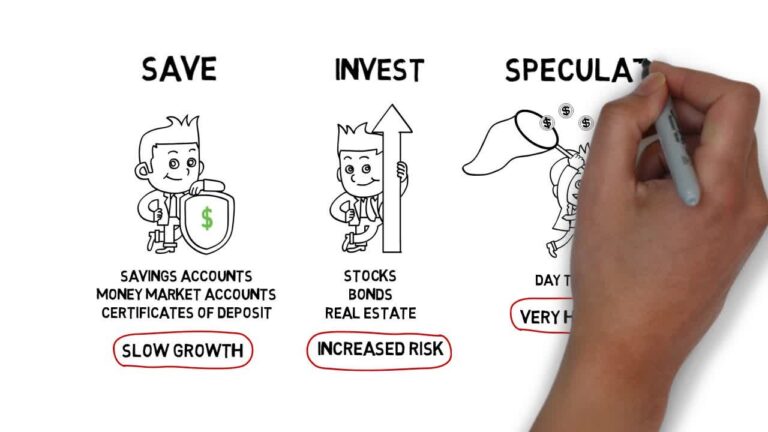
Saving money protects your financial future, but investing helps grow it.
While savings accounts provide security, they often do not generate enough returns to outpace inflation over the long term.
Investing allows your money to work for you by earning returns that can compound over time.
Common investment options include:
- Stocks
- Bonds
- Mutual funds
- Index funds
- Exchange-Traded Funds (ETFs)
- Real estate
- Retirement accounts
You don’t need thousands of dollars to Start Investing.
Many modern investment platforms allow beginners to start with small amounts and gradually build their portfolios.
The Power of Compound Interest
Albert Einstein is often credited with calling compound interest the “eighth wonder of the world.” Whether or not he actually said it, the concept remains incredibly powerful.
Compound interest means you earn returns not only on your original investment but also on the returns your investment has already generated.
For example:
- Investor A starts investing $300 per month at age 25.
- Investor B starts investing the same amount at age 35.
Even if Investor B contributes for the same monthly amount later, Investor A is likely to accumulate significantly more wealth because their investments had more time to compound.
Time is often more valuable than the amount you invest.
Starting early—even with small contributions—can make a remarkable difference over several decades.
Risk Management Through Insurance
Financial literacy also means protecting the wealth you build.
Unexpected events such as accidents, illnesses, natural disasters, or loss of income can quickly erase years of financial progress.
Insurance helps reduce this financial risk.
Examples include:
- Health insurance
- Life insurance
- Disability insurance
- Auto insurance
- Homeowners or renters insurance
Choosing appropriate insurance coverage is not about expecting the worst—it is about preparing for uncertainties so one emergency doesn’t derail your financial goals.
Common Signs of Poor Financial Literacy
Many people assume they’re managing money well simply because they’re paying their bills.
However, several habits may indicate a lack of financial literacy.
Some common warning signs include:
Living Paycheck to Paycheck
If your entire income is spent before your next payday, even a small unexpected expense can create financial stress.
No Emergency Savings
Without an emergency fund, people often rely on credit cards or personal loans when unexpected expenses arise.
High Credit Card Debt
Carrying balances month after month can result in expensive interest charges that make debt increasingly difficult to repay.
Impulse Spending
Frequently making purchases without planning can prevent long-term financial growth.
No Financial Goals
Without clear goals, it becomes difficult to prioritize saving, investing, or reducing debt.
Ignoring Retirement Planning
Many people delay retirement investing because it seems far away.
Unfortunately, waiting too long can significantly reduce the benefits of compound growth.
Benefits of Becoming Financially Literate
Improving your financial literacy affects far more than your bank account.
It can improve nearly every area of your life.
Better Financial Decisions
Understanding money helps you compare options, evaluate risks, and make informed choices rather than emotional ones.
Reduced Financial Stress
Money is one of the leading causes of stress for many individuals and families.
Having a clear financial plan often provides greater confidence and peace of mind.
Greater Financial Independence
Financial literacy allows you to rely less on debt and more on your own resources.
This creates flexibility in your career, lifestyle, and future decisions.
Increased Wealth
Consistent saving, disciplined investing, and responsible spending help build long-term wealth regardless of your starting income.
Improved Credit Score
Responsible borrowing and timely payments contribute to a stronger credit history, making it easier to qualify for favorable loan terms when needed.
Better Prepared for Emergencies
Life is unpredictable.
Financial literacy encourages preparation before problems occur, reducing the impact of unexpected situations.
How to Improve Your Financial Literacy
The good news is that financial literacy is a skill anyone can develop.
You don’t need a finance degree or years of experience.
Create a Monthly Budget
Track your income and expenses for one month.
Identify unnecessary spending and redirect that money toward savings or investments.
Build an Emergency Fund
Aim to save at least three to six months of essential living expenses.
Start small if necessary—even saving a little consistently is progress.
Learn Basic Investing
Understand concepts such as:
- Diversification
- Risk tolerance
- Asset allocation
- Index investing
- Long-term investing
Focus on learning before investing significant amounts of money.
Read Personal Finance Books
Books written by respected financial educators can help build strong money habits and improve financial decision-making.
Follow Reliable Financial Resources
Choose trustworthy educational sources rather than relying on social media trends or “get rich quick” advice.
Verify information before making financial decisions.
Set Clear Financial Goals
Examples include:
- Paying off debt
- Saving for a home
- Building retirement savings
- Starting a business
- Creating passive income
Specific goals make it easier to stay motivated and measure progress.
Review Your Finances Regularly
Financial planning is not a one-time activity.
Review your budget, investments, insurance, and financial goals regularly to ensure they continue supporting your long-term objectives.
Financial Literacy Is a Lifelong Skill
Financial literacy isn’t something you learn once and forget.
Economic conditions change.
Tax rules evolve.
New financial products appear.
Technology transforms how we manage money.
Continuing to improve your financial knowledge helps you adapt to these changes and make better decisions throughout every stage of life.
Common Financial Literacy Mistakes to Avoid
Even people who earn a comfortable income can struggle financially if they make poor money decisions.
Recognizing these common mistakes can help you avoid setbacks and build a stronger financial future.
Believing a Higher Salary Solves Everything
A larger paycheck can improve your financial situation, but it doesn’t guarantee wealth.
If spending increases every time your income rises—a phenomenon known as lifestyle inflation—you may never build meaningful savings or investments.
Ignoring a Budget
Without a budget, it’s easy to lose track of where your money goes.
Small, recurring expenses can add up over time and reduce your ability to save for important goals.
Carrying High-Interest Debt
Paying only the minimum balance on credit cards or relying on expensive loans can keep you in debt for years.
Prioritizing high-interest debt repayment is often one of the best financial decisions you can make.
Delaying Investing
Many people wait until they “earn more” before investing.
In reality, starting early—even with small amounts—usually has a greater impact than waiting to invest larger amounts later.
Having No Emergency Fund
Unexpected expenses are a part of life.
Without emergency savings, you may have to rely on debt when facing medical bills, car repairs, or job loss.
Following Financial Trends Without Research
Social media is full of investment tips and money advice, but not all of it is accurate or suitable for everyone.
Always verify information and understand the risks before making financial decisions.
Key Takeaways
Financial literacy is one of the most valuable life skills you can develop.
Remember these core principles:
- Financial literacy is about making informed money decisions.
- Your financial habits matter more than your salary.
- Budgeting helps you control your money instead of wondering where it went.
- Saving creates security, while investing builds long-term wealth.
- Responsible borrowing protects your financial future.
- Starting early is often more important than starting with a large amount.
- Improving your financial knowledge is an ongoing process.
Small, consistent actions taken over many years often produce better financial results than occasional big decisions.
Frequently Asked Questions
What is financial literacy in simple words?
Financial literacy is the ability to understand and manage your money wisely.
It includes budgeting, saving, investing, borrowing responsibly, and planning for future financial goals.
Why is financial literacy more important than salary?
A high salary doesn’t guarantee financial success.
People who manage money wisely often build more wealth than those who earn more but spend carelessly.
Can anyone become financially literate?
Yes.
Financial literacy is a skill that anyone can learn through education, practice, and consistent money habits.
What are the five basic components of financial literacy?
The five core components are:
- Budgeting
- Saving
- Borrowing responsibly
- Investing
- Risk management through insurance
At what age should someone learn financial literacy?
The earlier, the better.
Learning basic money management during childhood or early adulthood provides more time to build healthy financial habits and benefit from long-term investing.
Final Thoughts
Financial success isn’t reserved for people with the highest salaries.
It’s built by those who consistently make thoughtful financial decisions.
Every budget you create, every dollar you save, every investment you make, and every debt you avoid contributes to a more secure future.
These habits may seem small today, but over time they create lasting financial stability and greater freedom.
Financial literacy empowers you to take control of your money instead of letting money control your life.
Whether you’re just starting your financial journey or looking to improve your existing habits, the best time to become financially literate is today.
Remember, wealth is rarely built overnight.
It is usually the result of informed decisions, patience, and consistency over many years.