Living with debt can feel overwhelming, especially when your income barely covers your monthly expenses.
It may seem impossible to make progress when every paycheck is already committed to rent, groceries, transportation, utility bills, and other necessities.
Many people assume that the only way to become debt-free is to earn a much higher salary.
While increasing your income can certainly help, it is not the only solution.
Thousands of people reduce and eliminate debt by improving their budgeting habits, controlling spending, choosing an effective repayment strategy, and making consistent progress over time.
Becoming debt-free on a low income requires patience, planning, and discipline rather than perfection.
Even small extra payments made consistently can reduce debt faster than many people expect.
This guide explains practical strategies that can help you reduce debt while continuing to meet your essential financial needs.
Understand Your Total Debt

Before creating a repayment plan, you need a clear picture of what you owe.
List every debt you currently have.
Include details such as:
- Total balance.
- Minimum monthly payment.
- Interest rate.
- Payment due date.
- Remaining repayment period, if known.
Many people avoid looking at their total debt because it feels stressful.
However, understanding your financial situation is the first step toward improving it.
Stop Taking on New Debt

Reducing debt becomes much more difficult if new debt continues to accumulate.
Whenever possible:
- Avoid unnecessary credit card purchases.
- Delay non-essential spending.
- Borrow only for genuine emergencies.
- Limit impulse buying.
- Focus on paying down existing balances before taking on additional financial obligations.
Preventing new debt allows more of your income to reduce what you already owe.
Create a Realistic Budget

A budget helps you identify money that can be directed toward debt repayment.
Your budget should include:
- Housing.
- Utilities.
- Groceries.
- Transportation.
- Insurance.
- Minimum debt payments.
- Savings.
- Essential personal expenses.
After covering necessary expenses, direct any remaining money toward your debt repayment plan.
A realistic budget is more effective than an overly restrictive one that becomes difficult to maintain.
Continue Making Minimum Payments

Missing debt payments can create additional financial problems, including late fees and higher interest costs.
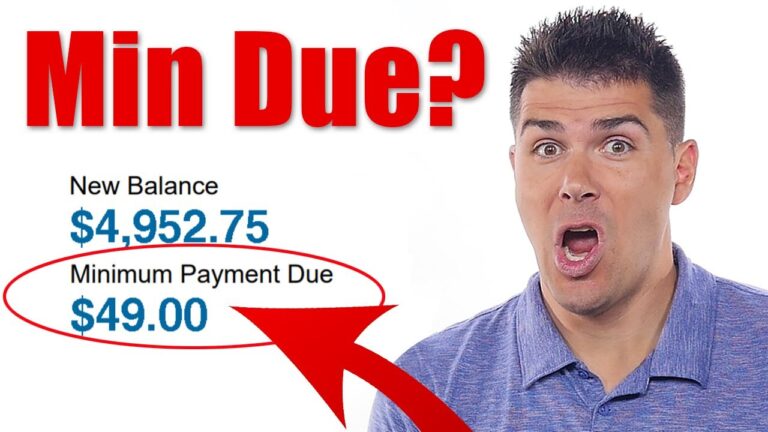
Whenever possible, continue making at least the required minimum payment on every debt while deciding which repayment strategy to follow.
Staying current on your payments helps you avoid unnecessary financial setbacks.
Find Extra Money in Your Budget

Even on a limited income, small savings can often be redirected toward debt repayment.
Look for opportunities such as:
- Reducing restaurant meals.
- Canceling unused subscriptions.
- Planning grocery shopping.
- Cooking more meals at home.
- Comparing utility providers where possible.
- Limiting impulse purchases.
Redirecting these savings toward debt may help reduce your balances faster.
Choose a Debt Repayment Strategy

Having a structured repayment plan makes it easier to stay motivated.
Two commonly used approaches are:
Debt Snowball Method
With this approach, you focus on paying off the smallest debt first while continuing minimum payments on all other debts.
Once the smallest balance is eliminated, you apply that payment toward the next smallest debt.
Many people find this method motivating because they experience progress more quickly.
Debt Avalanche Method
This strategy focuses on paying off the debt with the highest interest rate first while maintaining minimum payments on all other debts.
Once the highest-interest debt is eliminated, you move to the next highest.
This method may reduce the total interest paid over time.
Both approaches can be effective.
The best choice is the one you can follow consistently.
Build a Small Emergency Fund

Although paying off debt is important, having at least a modest emergency fund can help prevent new borrowing when unexpected expenses occur.
Without emergency savings, even a small financial surprise could force you to rely on credit again.
Building a small financial cushion while repaying debt can improve long-term financial stability.
Set Realistic Expectations

Getting out of debt rarely happens overnight.
Your progress may feel slow in the beginning, especially if your income is limited.
Instead of focusing only on the final goal, celebrate smaller milestones such as:
- Paying off one debt.
- Reducing a loan balance.
- Making consistent payments for several months.
- Avoiding new debt.
Steady progress is more important than rapid progress, and consistency is often the key to becoming debt-free.
Increase Your Income Whenever Possible

While budgeting helps you control spending, increasing your income can accelerate debt repayment.
Depending on your skills and available time, you might consider:
- Freelance work.
- Part-time employment.
- Selling unused household items.
- Tutoring or teaching.
- Pet sitting or babysitting.
- Seasonal work.
- Learning new job skills that improve future earning potential.
Any additional income can be directed toward your debt repayment plan rather than increasing discretionary spending.
Prioritize High-Interest Debt

If several debts compete for your attention, high-interest debt often becomes the most expensive over time.
Paying more than the minimum toward these balances, while maintaining minimum payments on your other debts, may reduce the total interest you pay throughout the repayment period.
Understanding which debts cost you the most can help you allocate extra money more effectively.
Avoid Lifestyle Inflation

Receiving a salary increase, bonus, or additional income doesn’t automatically mean your spending should increase.
Instead of upgrading your lifestyle immediately, consider using part of the extra income to:
- Make additional debt payments.
- Build emergency savings.
- Reduce financial stress.
- Improve long-term financial stability.
Even temporary increases in debt payments can shorten your repayment timeline.
Review Your Expenses Regularly

Your financial situation changes over time.
Review your monthly expenses and ask yourself:
- Is this expense still necessary?
- Can I find a lower-cost alternative?
- Am I paying for services I rarely use?
- Can I reduce this expense without affecting my quality of life?
Small savings across several categories can create additional money for debt repayment.
Avoid Emotional Spending

Debt repayment can become more difficult when purchases are driven by emotions instead of genuine needs.
Common spending triggers include:
- Stress.
- Boredom.
- Loneliness.
- Frustration.
- Social pressure.
Learning healthier ways to manage emotions can help you stay committed to your financial goals.
Stay Organized

Keeping your debt information organized makes repayment easier.
Maintain a simple record showing:
- Current balance.
- Monthly payment.
- Interest rate.
- Payment due date.
- Remaining debt after each payment.
Watching balances decrease over time can provide motivation to continue.
Practical Example
Imagine someone earning an after-tax monthly income of $2,400.
After covering essential expenses, they identify an extra $150 that can consistently go toward debt repayment.
They also:
- Cancel two unused subscriptions.
- Cook more meals at home.
- Sell unused electronics.
- Direct tax refunds toward debt.
- Avoid taking on new credit card debt.
Although these changes seem modest, they steadily reduce outstanding balances while improving overall financial stability.
Signs You’re Making Progress
Debt repayment is about more than watching balances shrink.
Positive signs include:
- Paying every bill on time.
- Relying less on credit cards.
- Reducing total outstanding debt.
- Feeling less financial stress.
- Building small emergency savings.
- Becoming more confident in managing money.
Even if progress feels slow, these improvements indicate you’re moving in the right direction.
Stay Motivated Throughout the Process
Becoming debt-free can take months or even years, depending on your financial situation.
To stay motivated:
- Celebrate each debt you eliminate.
- Track your repayment progress visually.
- Focus on long-term financial freedom instead of short-term sacrifices.
- Remember why becoming debt-free is important to you.
- Continue learning about budgeting and personal finance.
Consistency, patience, and realistic expectations are often more valuable than making occasional large payments.
Common Mistakes That Keep People in Debt
Paying off debt becomes much more difficult when certain financial habits continue.
Recognizing these habits can help you avoid setbacks and make steady progress.
Some of the most common mistakes include:
- Continuing to borrow while trying to repay existing debt.
- Paying only the minimum amount when extra payments are affordable.
- Ignoring high-interest debt.
- Shopping without a budget.
- Using credit cards for non-essential purchases.
- Failing to build even a small emergency fund.
- Increasing spending after receiving a salary increase.
- Not reviewing monthly expenses regularly.
- Feeling discouraged and stopping the repayment plan after a temporary setback.
Avoiding these mistakes can help you reduce debt more efficiently and improve your overall financial health.
Habits That Support Long-Term Financial Stability
Getting out of debt is an important achievement, but staying out of debt requires ongoing financial discipline.
Consider developing these long-term habits:
- Follow a Monthly Budget.
- Save a portion of every paycheck.
- Build and maintain an emergency fund.
- Track your expenses regularly.
- Avoid impulse purchases.
- Review your financial goals every few months.
- Increase savings and investments as your income grows.
- Continue learning about personal finance.
These habits not only help prevent future debt but also create a stronger foundation for long-term financial security.
What to Do After Becoming Debt-Free
Reaching your final debt payment is a major financial milestone.
Instead of increasing your spending immediately, consider using the money that previously went toward debt repayments to strengthen your finances.
You might choose to:
- Build a larger emergency fund.
- Increase retirement savings.
- Invest for long-term goals.
- Save for a home or education.
- Create additional financial reserves for future needs.
Continuing your positive financial habits after becoming debt-free can help you build lasting wealth.
Frequently Asked Questions
Can I get out of debt on a low income?
Yes.
Although it may take longer, many people reduce and eliminate debt by following a realistic budget, avoiding new borrowing, increasing income where possible, and making consistent payments over time.
Should I save money while paying off debt?
Building a small emergency fund while repaying debt can help you avoid taking on additional debt when unexpected expenses arise.
After establishing a basic safety net, many people focus on paying down high-interest debt more aggressively.
Which debt should I pay off first?
There is no single answer.
Some people prefer paying off the smallest balance first for motivation, while others focus on the highest-interest debt to reduce overall borrowing costs.
Both strategies can be effective when followed consistently.
What if I can’t make extra debt payments?
Continue making at least the required minimum payments whenever possible and focus on improving your budget, reducing unnecessary expenses, or finding opportunities to increase your income.
Even small additional payments can make a difference over time.
Is debt always bad?
Not necessarily.
Some forms of borrowing may support long-term financial goals when used responsibly.
However, excessive or high-interest debt can become difficult to manage and may reduce your ability to save and invest.
How long does it take to become debt-free?
The timeline depends on your income, expenses, debt balance, interest rates, and repayment strategy.
Consistency is more important than speed, and every payment moves you closer to your goal.
Conclusion
Getting out of debt on a low income is challenging, but it is achievable with patience, planning, and consistent financial habits.
You don’t need a dramatic increase in income to begin making progress.
Small improvements in budgeting, spending, saving, and debt repayment can gradually reduce your financial burden.
By understanding your debts, choosing a repayment strategy that works for you, avoiding unnecessary borrowing, and directing every available extra dollar toward your financial goals, you can steadily improve your financial situation.
Progress may be gradual, but each payment strengthens your financial foundation and brings you closer to lasting financial freedom.
Remember that becoming debt-free is not just about eliminating balances—it’s about building healthier money habits that will continue benefiting you long after your final payment has been made.