When people need to borrow money, two of the most common options are personal loans and credit cards.
Both allow you to access funds, but they work very differently.
Choosing the wrong option can make borrowing more expensive, while choosing the right one can make repayment easier and help you manage your finances more effectively.
Many people assume that one option is always better than the other.
In reality, the better choice depends on why you’re borrowing, how much money you need, how quickly you expect to repay it, and the borrowing terms available to you.
Understanding the differences between personal loans and credit card debt allows you to make informed financial decisions instead of relying on assumptions.
This guide compares personal loans and credit card debt, explaining their advantages, disadvantages, and the situations where each may be more appropriate.
What Is a Personal Loan?
A personal loan is a fixed amount of money borrowed from a financial institution or lender.
The borrower agrees to repay the loan over a predetermined period according to the loan agreement.
Personal loans are commonly used for:
- Home improvements.
- Medical expenses.
- Debt consolidation.
- Major purchases.
- Emergency expenses.
- Education costs not covered by other financing.
Most personal loans provide the full amount upfront, and repayments are usually made in fixed installments.
What Is Credit Card Debt?
Credit card debt occurs when you make purchases using a credit card and do not pay the full outstanding balance by the payment due date according to the card agreement.
Unlike a personal loan, a credit card provides a revolving line of credit.
This means you can repeatedly borrow, repay, and borrow again as long as you remain within your approved credit limit.
Credit cards are commonly used for:
- Everyday purchases.
- Online shopping.
- Travel expenses.
- Unexpected short-term costs.
- Building a credit history when used responsibly.
Personal Loan vs Credit Card Debt
| Feature | Personal Loan | Credit Card Debt |
|---|---|---|
| Borrowing Method | Lump-sum amount | Revolving credit line |
| Repayment | Fixed installments | Flexible payments with a required minimum |
| Typical Use | Larger planned expenses | Everyday or short-term purchases |
| Access to Funds | One-time loan amount | Borrow repeatedly up to your credit limit |
| Payment Structure | Usually fixed | Varies depending on the outstanding balance |
Although both involve borrowing money, they are designed for different financial situations.
Interest Costs
One of the biggest differences between these borrowing options is how interest is typically structured.
Personal loans often provide a fixed repayment schedule with predetermined loan terms.
Credit cards usually charge interest on unpaid balances according to the card agreement if the full statement balance is not paid by the due date.
The actual borrowing cost depends on factors such as:
- Interest rate.
- Loan terms.
- Credit history.
- Amount borrowed.
- Repayment speed.
Because borrowing costs vary, comparing the total cost before borrowing is always important.
Repayment Structure
Personal loans generally require fixed monthly payments until the loan is fully repaid.
This makes budgeting easier because the payment amount is usually predictable.
Credit cards are more flexible.
You may pay:
- The full statement balance.
- More than the minimum payment.
- Only the required minimum payment.
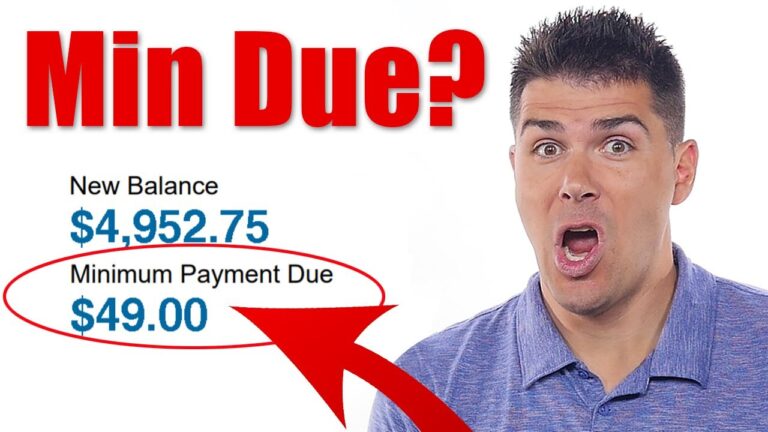
While this flexibility can be helpful, paying only the minimum repeatedly may significantly extend the repayment period and increase total interest costs.
When a Personal Loan May Be More Appropriate
A personal loan may be suitable when:
- You know exactly how much money you need.
- You’re financing a large planned expense.
- You prefer predictable monthly payments.
- You want a structured repayment schedule.
- You don’t need ongoing access to additional borrowing.
Because the repayment plan is fixed, many borrowers find it easier to stay organized throughout the loan term.
When a Credit Card May Be More Appropriate
A credit card may be useful when:
- You need flexibility for smaller purchases.
- You can repay the balance quickly.
- You want convenient access to revolving credit.
- You’re managing short-term cash flow.
Using a credit card responsibly often means paying the full statement balance whenever possible to minimize borrowing costs.
Advantages of a Personal Loan
Personal loans offer a structured borrowing experience that many people find easier to manage.
Some potential advantages include:
- Fixed repayment schedule.
- Predictable monthly payments.
- Suitable for larger planned expenses.
- Clear loan end date.
- May simplify budgeting.
Knowing exactly when the loan will be repaid can make long-term financial planning easier.
Advantages of Credit Cards
Credit cards provide flexibility that personal loans cannot.
Potential advantages include:
- Immediate access to available credit.
- Useful for everyday purchases.
- No need to reapply each time you borrow within your credit limit.
- Convenient for online purchases and travel.
- Can help build a positive credit history when managed responsibly.
For short-term borrowing that is repaid quickly, credit cards may be a practical option.
Limitations of Personal Loans
Although personal loans have advantages, they also have limitations.
These may include:
- Fixed monthly repayment obligations.
- Less flexibility after receiving the loan.
- Borrowing more than needed can result in unnecessary interest costs.
- Approval depends on factors such as your financial profile and the lender’s requirements.
Before accepting any loan, carefully review all terms and repayment obligations.
Limitations of Credit Card Debt
Credit cards also have disadvantages, particularly when balances remain unpaid for long periods.
Possible limitations include:
- High borrowing costs if balances are carried over according to the card agreement.
- Easy access to credit may encourage overspending.
- Minimum payments can significantly extend repayment time.
- Large outstanding balances reduce available credit.
Responsible credit card use requires careful budgeting and disciplined spending.
Using a Personal Loan for Debt Consolidation
Some borrowers use personal loans to consolidate multiple high-interest debts into a single monthly payment.
Potential benefits may include:
- One monthly payment instead of several.
- Easier budgeting.
- More organized repayment schedule.
However, debt consolidation is most effective when it is combined with improved spending habits.
Continuing to accumulate new credit card debt after consolidating existing balances may create additional financial problems.
Practical Example
Imagine two individuals each need to borrow $8,000.
The first person plans a major home repair with a known total cost.
A personal loan may be appropriate because it provides a fixed repayment schedule and predictable monthly payments.
The second person wants flexible access to credit for occasional short-term purchases that will be repaid quickly.
A credit card may better suit that situation because it allows repeated borrowing within the approved credit limit.
The best option depends on how the money will be used rather than on the borrowing product itself.
Questions to Ask Before Borrowing
Before choosing between a personal loan and a credit card, consider these questions:
- How much money do I need?
- How quickly can I repay the balance?
- Do I need a one-time loan or ongoing access to credit?
- Can I comfortably afford the monthly payments?
- What is the total borrowing cost?
- Will this borrowing help achieve an important financial goal?
Answering these questions can help you choose the borrowing option that best matches your needs.
Common Myths
Many borrowers misunderstand the differences between personal loans and credit cards.
Myth: Personal Loans Are Always Cheaper
Not necessarily.
The overall cost depends on the loan terms, interest rate, fees, and repayment period.
Myth: Credit Cards Should Never Be Used
Credit cards can be useful financial tools when balances are managed responsibly and repaid promptly according to the card agreement.
Myth: Debt Consolidation Solves Spending Problems
Debt consolidation can simplify repayment, but lasting financial improvement usually requires better budgeting and spending habits.
Myth: The Largest Credit Limit Is Always Better
A larger credit limit isn’t automatically beneficial.
Responsible borrowing and timely repayment are generally more important than the size of the available credit.
Common Mistakes to Avoid
Choosing between a personal loan and credit card debt requires more than simply comparing monthly payments.
Many borrowers make decisions that increase their borrowing costs or make repayment more difficult.
Some common mistakes include:
- Borrowing more money than you actually need.
- Focusing only on the monthly payment instead of the total borrowing cost.
- Making only the minimum credit card payment for extended periods.
- Taking out a personal loan without reviewing the repayment terms.
- Using a personal loan to pay off credit cards and then building up new credit card debt.
- Missing payment due dates.
- Borrowing without a clear repayment plan.
Avoiding these mistakes can help you manage debt more effectively and reduce long-term financial stress.
Tips for Choosing the Right Borrowing Option
The best borrowing decision depends on your financial situation and the purpose of the loan.
Consider these practical guidelines:
- Borrow only when necessary.
- Compare interest rates, fees, and repayment terms before making a decision.
- Choose a repayment amount that fits comfortably within your monthly budget.
- Keep emergency savings separate from borrowed money whenever possible.
- Pay more than the Minimum on credit card balances if you cannot pay them in full.
- Review your budget before taking on any new debt.
- Avoid borrowing for non-essential purchases whenever possible.
Thoughtful borrowing decisions can save money and make repayment easier over time.
Frequently Asked Questions
Is a personal loan always better than credit card debt?
No.
The better option depends on factors such as the amount you need to borrow, how long you need the money, the repayment terms available, and your ability to repay the debt.
Neither option is universally better in every situation.
When might a personal loan be a better choice?
A personal loan may be more suitable for planned, one-time expenses when you prefer fixed monthly payments and a structured repayment schedule.
When might a credit card be a better choice?
A credit card may be appropriate for smaller purchases, short-term borrowing, or situations where you expect to repay the full balance quickly according to the card agreement.
Can I use a personal loan to pay off credit card debt?
Some people use personal loans for debt consolidation to simplify repayment.
Before doing so, compare the total borrowing costs, understand the loan terms, and avoid creating new credit card debt after paying off existing balances.
Will either option affect my credit history?
Responsible borrowing and making payments on time can contribute positively to your credit history.
Missing payments or carrying excessive debt may have a negative impact, depending on how credit reporting and scoring systems evaluate your borrowing behavior.
What should I compare before borrowing?
Review the interest rate, repayment period, fees, monthly payment, total borrowing cost, and your ability to repay the debt comfortably.
Comparing these factors helps you make a more informed financial decision.
Conclusion
Personal loans and credit cards are both valuable financial tools, but they are designed for different purposes.
A personal loan is generally better suited for larger planned expenses that benefit from predictable monthly payments and a fixed repayment schedule.
A credit card offers greater flexibility for everyday spending and short-term borrowing, particularly when balances are paid in full or repaid quickly.
Rather than asking which option is always better, consider your financial goals, the amount you need to borrow, the repayment terms available, and your ability to manage debt responsibly.
Choosing the right borrowing option is not just about accessing money—it is about selecting the solution that supports your financial stability while keeping borrowing costs under control.
Making informed borrowing decisions, maintaining a realistic budget, and repaying debt consistently can help you strengthen your financial health and avoid unnecessary long-term debt.